< home # store # services # articles # game # app #contact >

This site, in the northern Yukon, and along the Old Crow river, has yielded thousands of late pleistocene animal bones. Some of which researchers have proposed show signs of human modification.
Initial findings, dating back to the 1970s, included bones of extinct Pleistocene animals like horses, caribou, and mammoths. That appeared to bear cut marks, fractures, or other indications of tool use
Numerous northern Yukon rivers, including the old Crow and Porcupine. Recently changed course Eroding the riverbanks and exposing animal bones and fossil deposits in new riverbanks. Mastodons, giant beavers, ground sloths, camels, horses, giant bison, short-faced bears, American lions, short-faced skunks, and more.
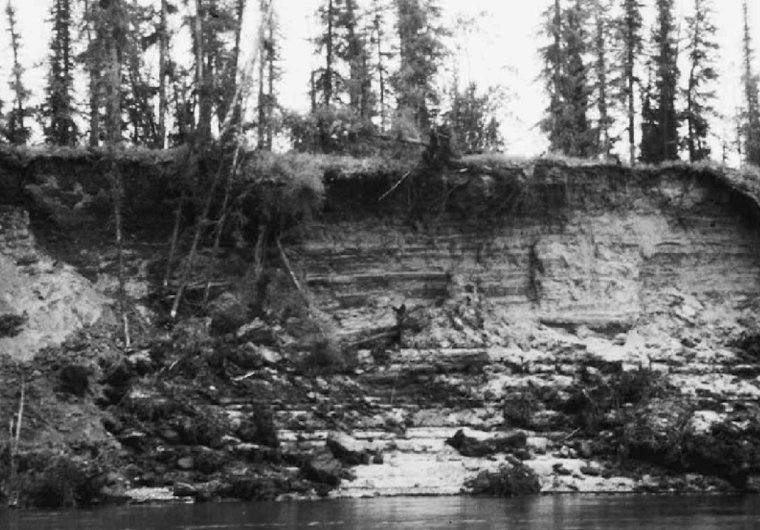
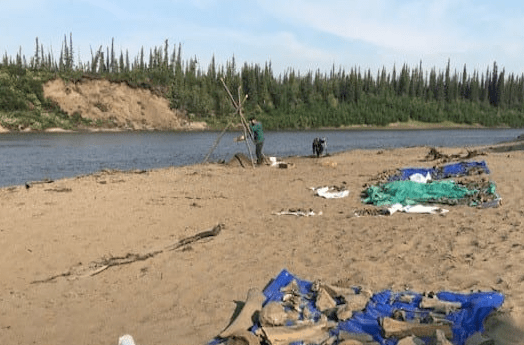
Some of these bones were dated to over 24,000 years ago, much older than the Clovis culture, which dates to around 13,000 years ago
If validated as human-modified, these findings support the idea of human presence in North America well before the end of the last Ice Age. However, the interpretation of the evidence from Old Crow Flats remains highly contested.
Critics argue natural processes such as river transport; freeze-thaw cycles; trampling by animals; and, other factors, could explain the cut marks or breaks on the bones
There is also no definitive stone tools, human-made artifacts, or human skeletons found at the sites. As a result, the Old Crow Flats findings are often considered inconclusive. With many archaeologists reluctant to cite it as reliable evidence for pre-Clovis occupation.
Bluefish Caves another important area with early human and megafauna presence, is located nearby
Its about 75km southwest of Old Crow flats.
Despite controversy, the site has contributed to ongoing research and debate on early human migration. Findings suggest the possibility of earlier human presence in Beringa, although definitive evidence remains elusive.
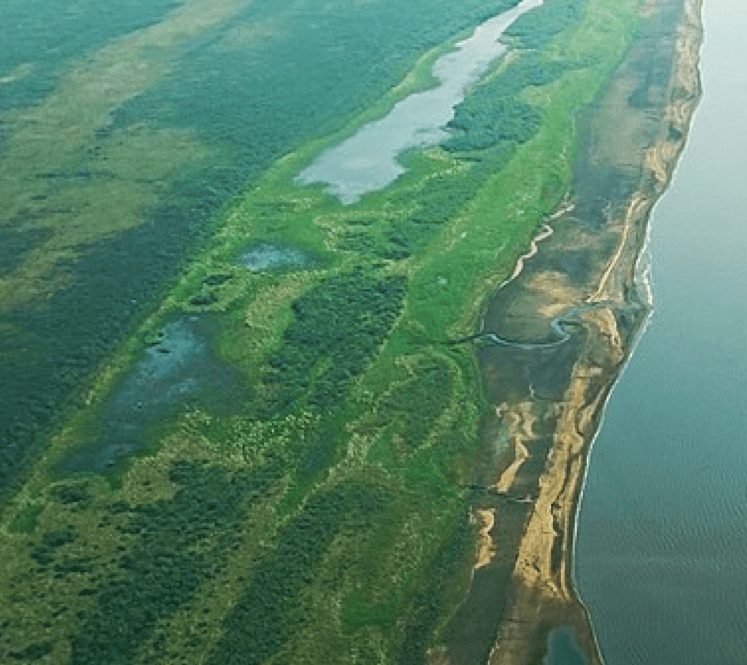

Bibliography: “Old Crow Flats” (https://web.archive.org/web/20080509170834/http://www.taiga.net/wetlands/oldcrow/oc_gen.html).
Richard E. Morlan (2012), Old Crow Basin. (https://www.thecanadianencyclopedia.ca/en/article/old-crow-basin) The Canadian Encyclopedia
J. Cinq-Mars (2001), On the significance of modified mammoth bones from eastern Beringia. (http://citeseerx.ist.psu.edu/viewdoc/download?doi=10.1.1.578.926&rep=rep1&type=pdf)
McSkimming, Robert James. Territory, Territoriality and Cultural Change in an Indigenous Society: Old Crow, Yukon Territory. [S.l: s.n.], 1975
Leave a Reply