< home # store # services # articles # game # app #contact >
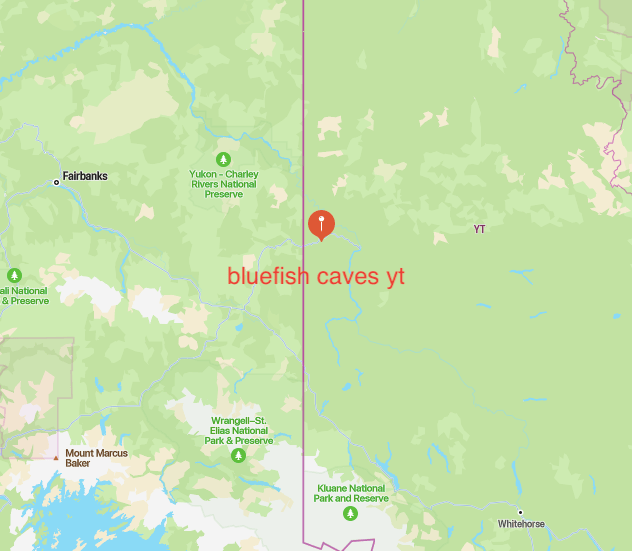
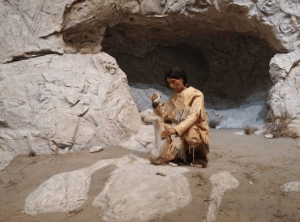
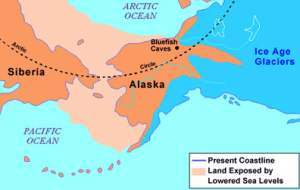
1st intact, late pleistocene, archaeological locality. To be descended in north American arctic circle
3 sites, in Yukon, 770km NW of Whitehorse.
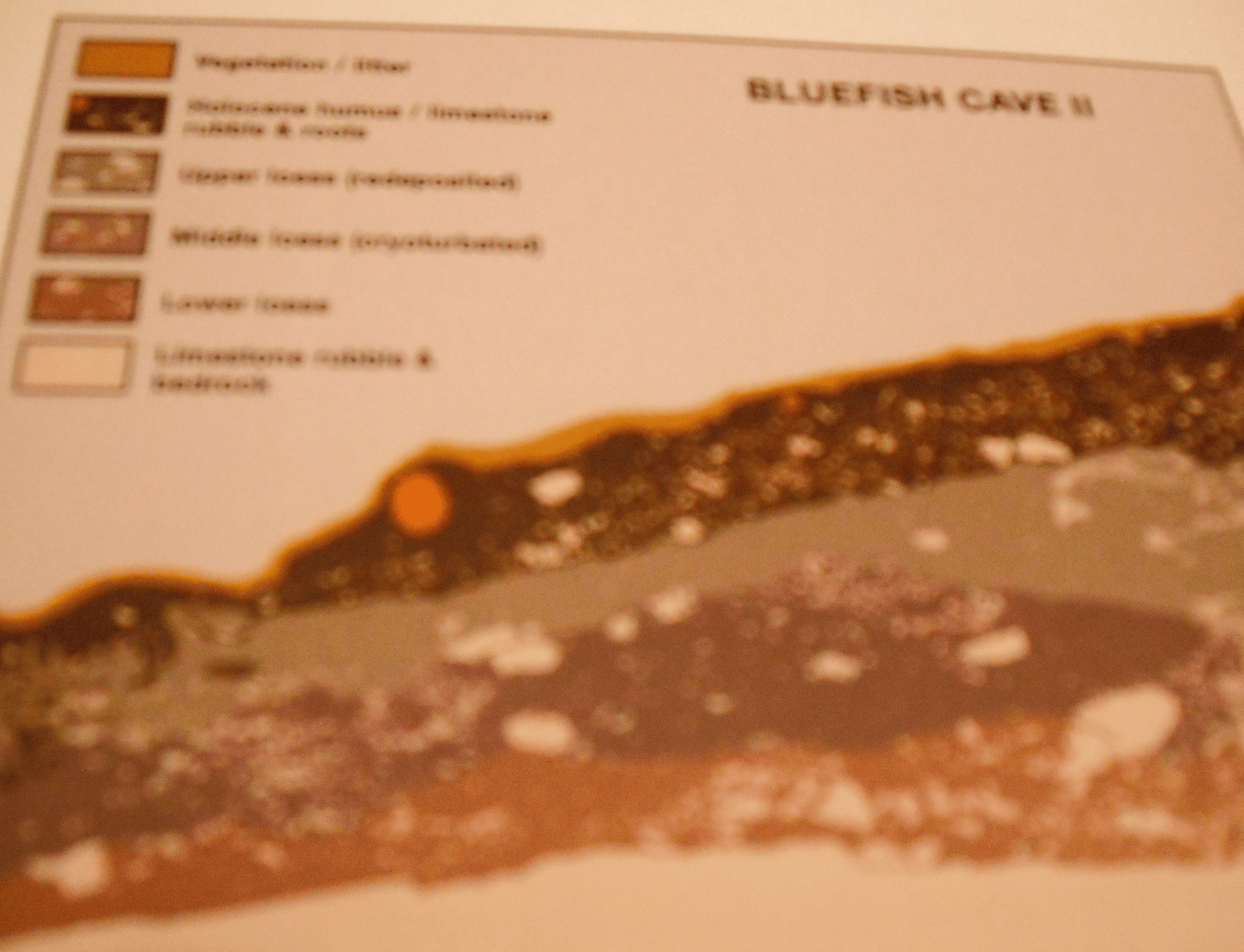
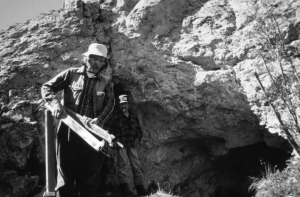
Caves occupy limestone ridge in Keele ridge/zone of flat topped mountains and plateaus on northern reads of the north Ogilvie mountain ecological zone.
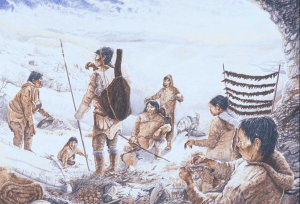
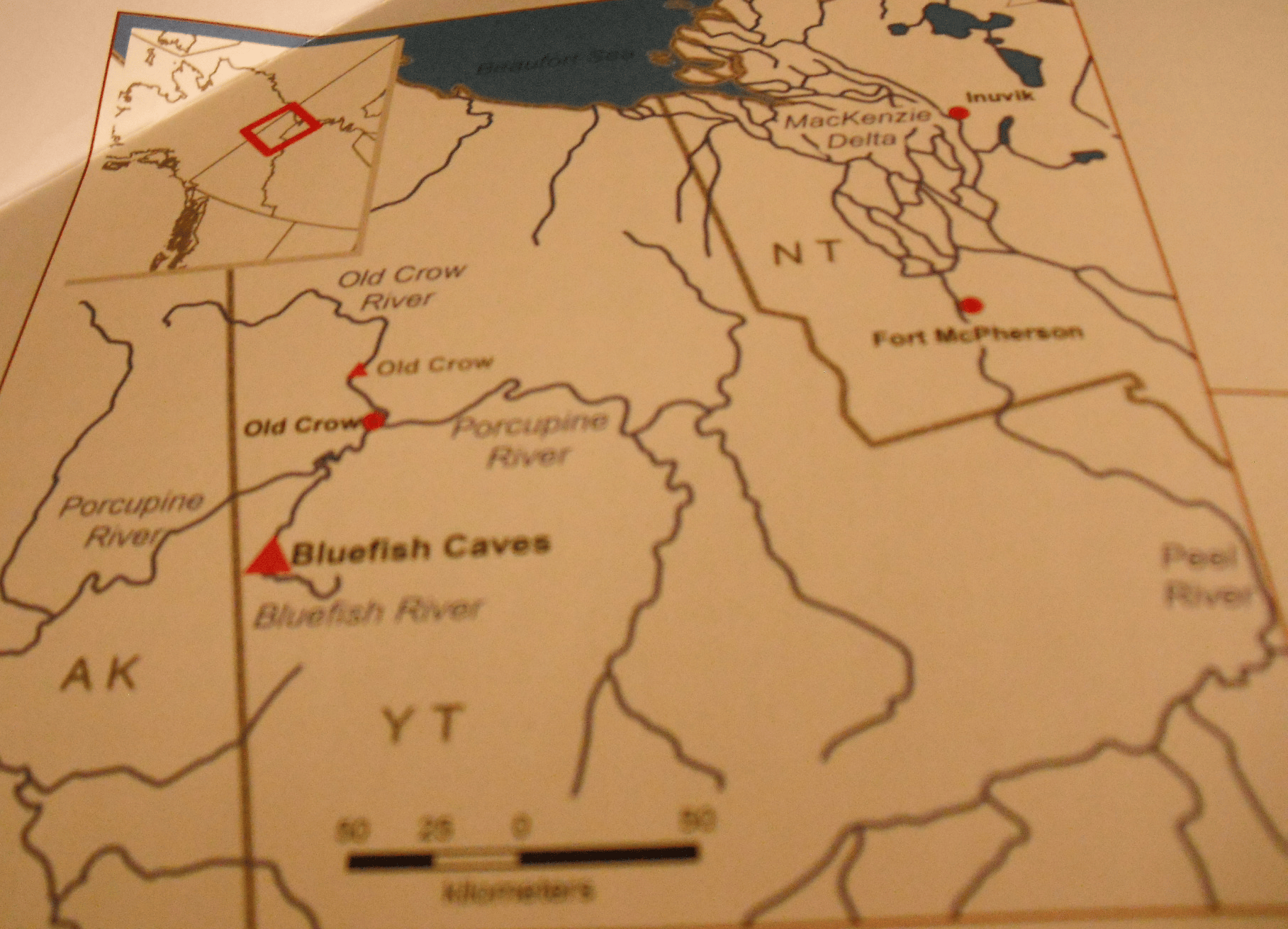
North flowing Bluefish river, is 6km west
It’s 580m above sea level, unlike Old Crow. It’s lowland begins 80km to the northeast (pics).


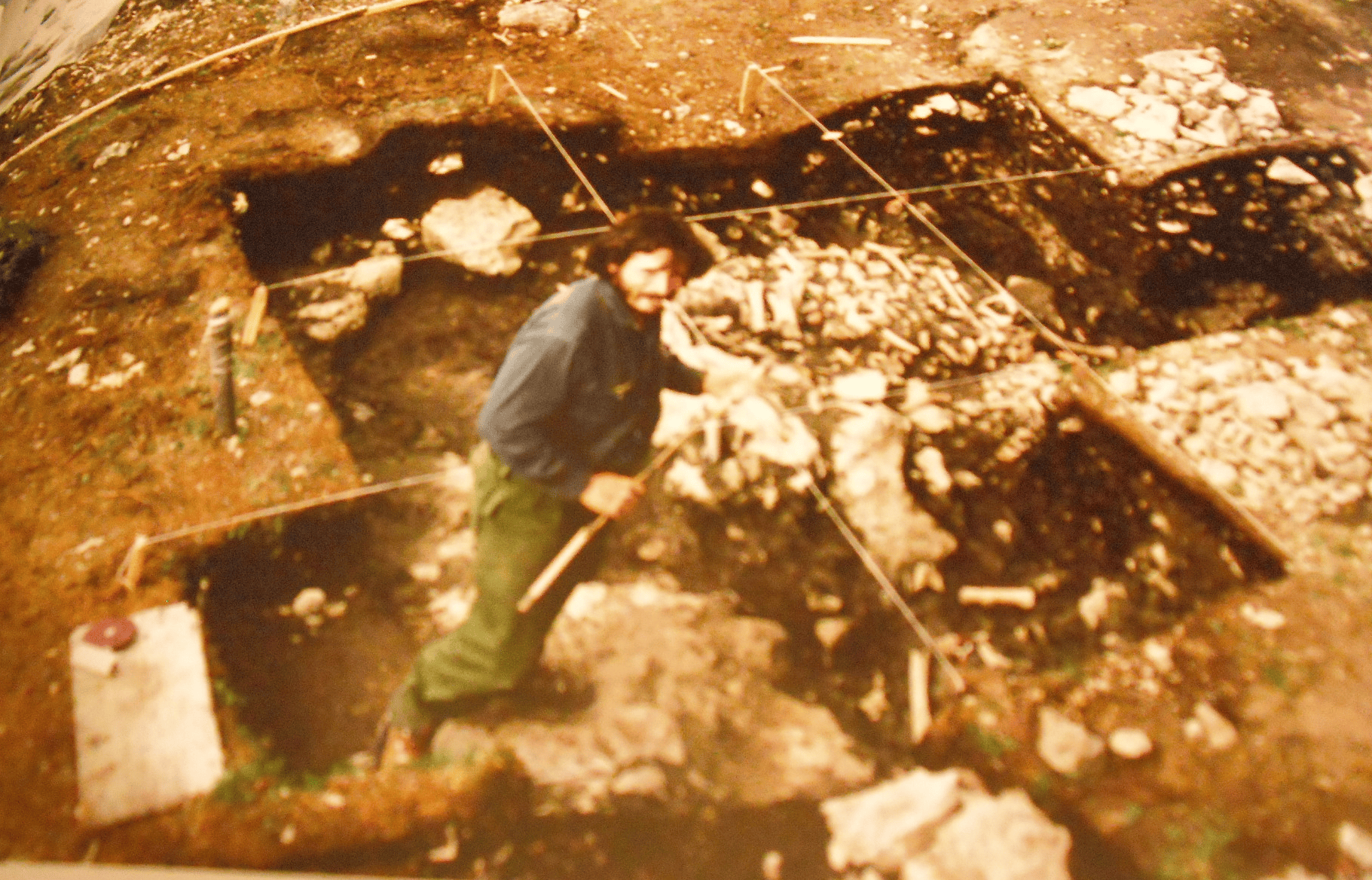
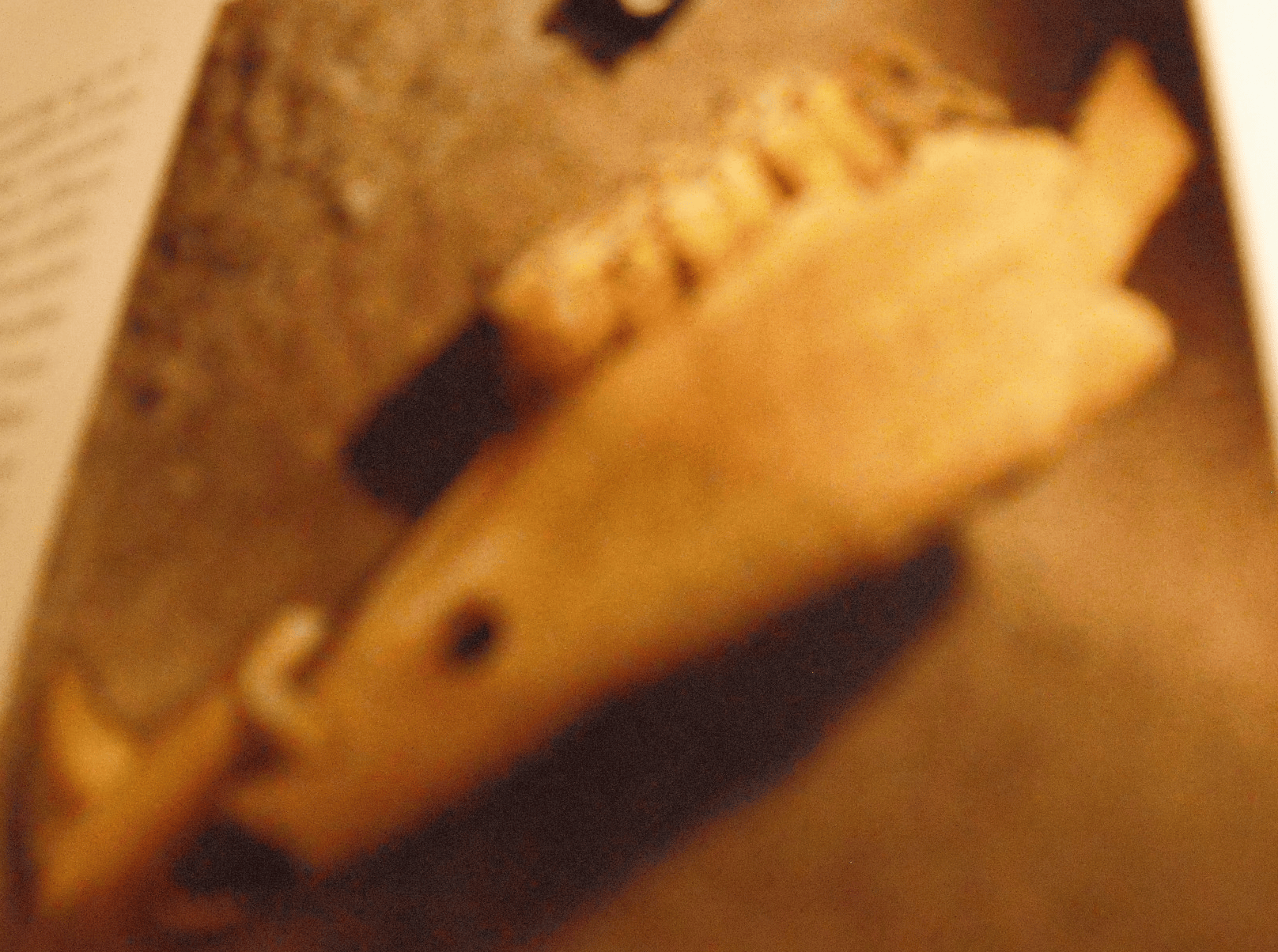
In the late 70s and early 1980s. Along with stone tools. Researchers found bones of extinct animals like mammoths, horses, and bison, in the caves. These discoveries suggested human occupation of the site around 12,000 to 24,000 years ago. Which would predate Clovis culture. It sparked greater debates among archaeologists about the peopling of the Americas.



It is no doubt. Bluefish caves is special. The area has lead to ongoing discussions within the scientific community. Including the timeline of human migration into the continent.
The site remains an important focal point for understanding the early history of human settlement in North America.

Bibliography: Burke, A., and J. Cinq-Mars, “Paleoethological Reconstruction and Taphonomy of Equus Lambei from the Bluefish Caves, Yukon Territory, Canada”, Arctic, vol. 51, no. 2, pp. 105–15, 1998
Adovasio, J. M., & Pedler, D. (2016). Strangers in a New Land: What Archaeology Reveals about the First Americans. Firefly Books.
Magazine, Hakai. “Archaeological Find Puts Humans in North America 10,000 Years Earlier Than Thought”. Hakai Magazine. Archived from the original on 2021-01-17. Retrieved Dec 2021
Leave a Reply