<home # start here # guides # builds # services # shop # about # categories>

Burial rituals and ancestor worship are among humanity’s oldest and most widespread cultural practices. Long before written language, cities, or states emerged, people invested significant time and resources in caring for the dead. Archaeological evidence suggests that intentional burials may date back at least 100,000 years, while elaborate ancestor-focused rituals became increasingly common during the Neolithic period.
Why did early communities devote energy to the dead when survival itself was often uncertain? Archaeologists increasingly view burial rituals and ancestor veneration not simply as religious activities, but as social systems that strengthened identity, preserved memory, reinforced territorial claims, and connected generations through shared traditions.

The Human Awareness of Death
Humans appear unique in their ability to contemplate mortality, remember deceased individuals, and imagine a continued relationship with them. Some of the earliest known burials show careful placement of bodies, use of pigments such as red ochre, and inclusion of symbolic objects. These practices suggest that death was viewed as socially meaningful rather than merely a biological event. Burial rituals likely emerged from several interconnected needs grief and emotional attachment, respect for deceased community members, management of the physical remains, beliefs about an afterlife or spiritual existence and reinforcement of group identity. Over time, these practices evolved into increasingly complex ritual traditions.

Ancestors as Members of the Community
One influential archaeological interpretation proposes that ancestors continued to be regarded as active members of the community. In many Neolithic societies, the dead were buried beneath houses, within settlements, or near communal structures. Rather than separating the living from the dead, architecture often physically connected them. At sites such as Çatalhöyük, individuals were frequently buried beneath house floors, placing generations of family members within the same domestic space. This arrangement suggests that ancestors remained symbolically present in everyday life. The house itself may have functioned as both a dwelling and a monument to family continuity.
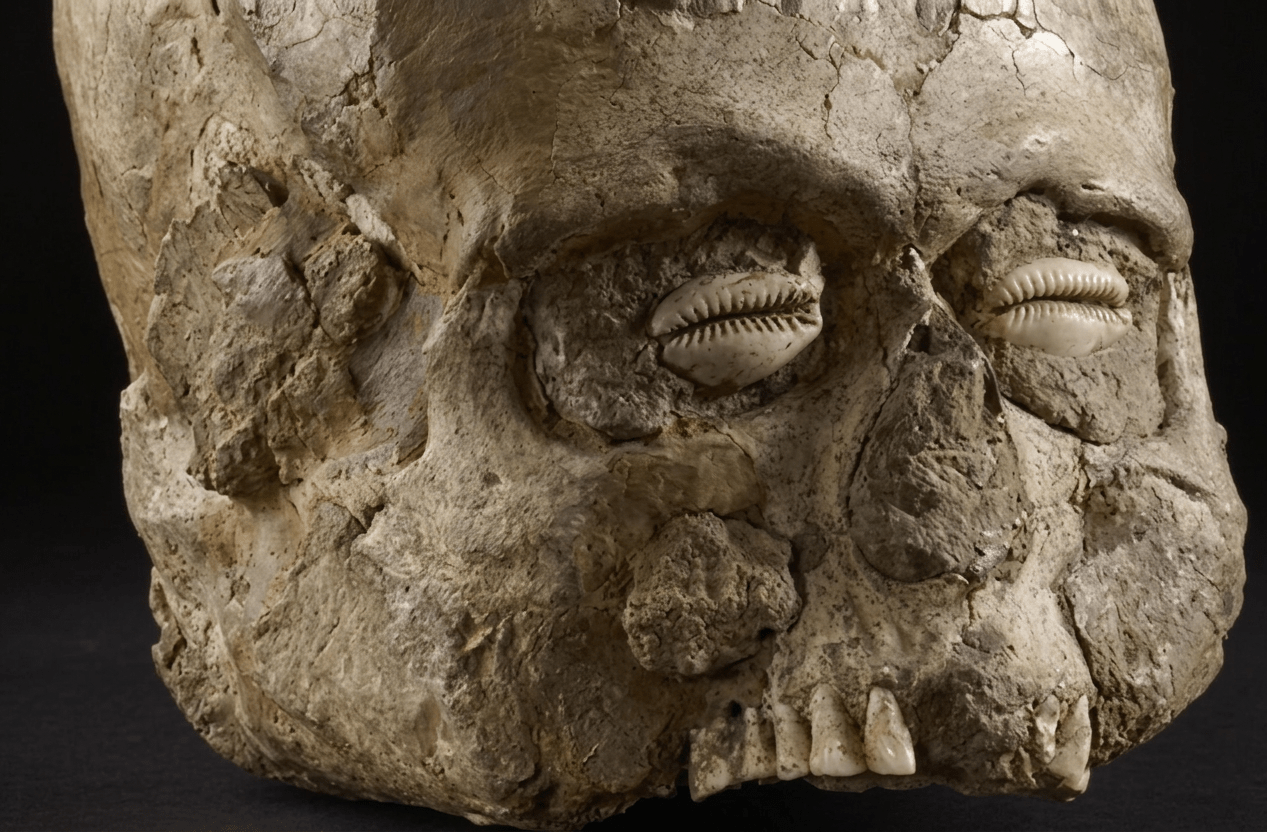
The Plastered Skull Tradition
One of the most remarkable examples of ancestor veneration comes from the Pre-Pottery Neolithic Levant. At sites including Jericho and Ain Ghazal, archaeologists discovered human skulls that had been removed after burial and carefully covered with plaster to recreate facial features. Shells were sometimes inserted to represent eyes. These “plastered skulls” appear to have been displayed, curated, and revisited over time. Researchers interpret this practice as a form of ancestor remembrance that helped maintain family histories, social identities, and claims to land and resources.
Ancestor Worship and Early Farming Communities
The emergence of agriculture transformed relationships between people and place. Hunter-gatherers could move when resources became scarce, but farming communities became increasingly tied to specific locations. Ancestor worship may have helped establish and legitimize long-term occupation of land. By linking living families to generations of deceased relatives, communities created powerful claims to territory and inheritance. Monumental cemeteries and burial grounds served as visible reminders of these ancestral connections. In this sense, ancestor worship was not only spiritual—it was also social and political.
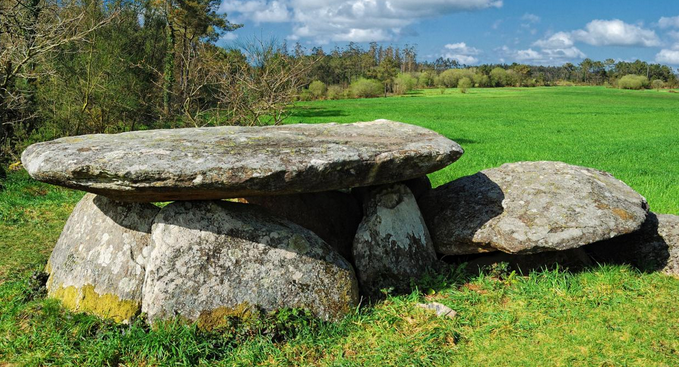
Burial Monuments and Collective Memory
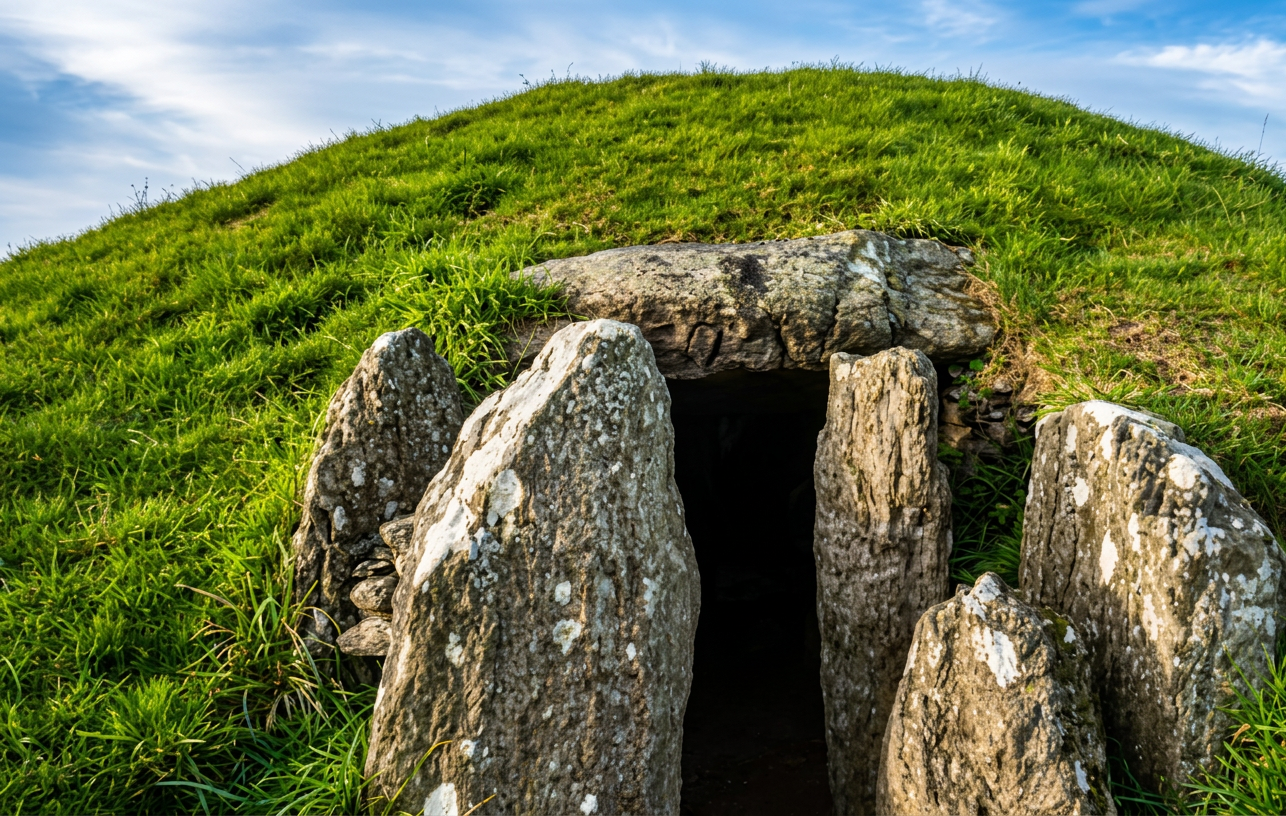
Across Neolithic Europe, communities constructed long barrows, passage graves, and megalithic tombs that required considerable labour and planning. These monuments often held the remains of multiple individuals over many generations. Archaeologists believe they functioned as places where communities gathered, remembered their ancestors, and reinforced shared identities. The physical permanence of stone architecture may have symbolized the enduring presence of ancestors within the landscape. Unlike ordinary houses, these structures were designed to survive for centuries.
Ancestors and Social Organization
Archaeological evidence from Neolithic China demonstrates that ancestor-focused rituals often became increasingly connected to family lineages and social status over time. Research in the Yellow River region suggests that ancestor worship evolved from community-wide traditions into more lineage based practices that helped organize social relationships and authority. By honoring specific ancestors, families could strengthen their identity, legitimacy, and social standing. Ancestor worship therefore helped create continuity between past, present, and future generations.
Why Burial Rituals Persist
Several factors likely contributed to the development and persistence of burial rituals (emotional needs, social cohesion, territorial claims, moral authority and spiritual beliefs)
Emotional Needs. Humans form strong attachments to one another and seek meaningful ways to cope with loss.
Social Cohesion. Shared funerary ceremonies strengthen group identity and collective memory.
Territorial Claims. Ancestors establish historical connections to land and settlements.
Moral Authority. Traditions associated with ancestors help guide social norms and behavior.
Spiritual Beliefs. Many cultures viewed death as a transition rather than an ending.
Together, these functions made burial rituals valuable institutions that contributed to social stability and continuity.

Lessons for Neolithic Architecture
Neolithic architecture reveals that the dead were often integrated into community life rather than isolated from it. Houses, cemeteries, tombs, and ritual spaces became physical expressions of relationships between generations. The placement of burials beneath floors, the construction of monumental tombs, and the preservation of ancestral remains all demonstrate how architecture served as a bridge between living communities and their remembered past.
Understanding burial rituals helps archaeologists understand how early societies organized themselves, transmitted knowledge, and created enduring social identities. Burial rituals and ancestor worship likely emerged from a combination of emotional, social, economic, and spiritual needs. Far from being separate from daily survival, these practices helped communities maintain cohesion, reinforce territorial claims, preserve collective memory, and strengthen intergenerational bonds.
The archaeological record suggests that ancestors were not viewed as absent. Instead, they remained active participants in community life through rituals, monuments, and architecture. In many Neolithic societies, honoring the dead helped the living define who they were, where they belonged, and how they should live together.
References: Connelly, A. (2012). Analysis and Interpretation of Neolithic Near Eastern Mortuary Rituals from a Community-Based Perspective. New York University.
Li, L. (2000). Ancestor worship: An archaeological investigation of ritual activities in Neolithic North China. Journal of East Asian Archaeology, 2(1–2), 129–164.
Midgley, M. S. (2008). From ancestral village to monumental cemetery: The creation of monumental Neolithic cemeteries. Journal of Neolithic Archaeology.
Encyclopaedia Britannica. Prehistoric religion: Burial customs and cults of the dead.
Zilhão, J. (2015). Lower and Middle Palaeolithic mortuary behaviours and the origins of ritual burial. In Death Rituals, Social Order and the Archaeology of Immortality in the Ancient World. Cambridge University Press.
Leave a Reply