< home # store # services # articles # game # app #contact >


Often without mortar or even other binding materials involved. Megalithic structures are iconically unique. Especially to the neolithic era
Giant monuments in Britain, Carnac France and others places, were built by ancient neolithic civilizations and there cultures. Associating with them, a large part of prehistory. Megaliths are among the most enduring and impressive architectural achievements of all time
Here are some common types of megalithic monuments:
Large flat stone (capstone); supported by several upright stones, creating a chamber or portal-like structure. (Also, called dolmens)
Often, used as tombs, burial chambers, or as religious sites. Dolmens are found in many parts of the world, including Europe, Asia, and the Middle East.
Single, standing stones, upright are often called ‘menhir’
Used as graves, ceremonial, religous or a marking. Some ‘menhir’ feature carvings or inscriptions. While some not. Commonly, they are found in Europe, Africa, and Asia.

Circular or elliptical arrangements of standing stones are sometimes called cromlech
Used for ceremonial or ritual purposes. Stone circles, such as Stonehenge in England, are a famous type of cromlech.
A type of cromlech exists that were often used for astronomical and gathering purposes.
They were also used for observations and rituals, and as gathering places. Well known stone circles are found in various regions, including the British Isles, Scandinavia, and parts of Africa.
Circular or oval earthworks can often accompanied by a ditch and a bank. And are called Henges
Inside, megalithic stones or wooden posts may be erected. Henges, like Stonehenge in England, are believed to have had astronomical and ceremonial significance.
A long, parallel alignments of stones or megaliths leading to a specific destination is called an Avenue
Henges and stone circles. Were often associated with ceremonial or processional routes. And, had avenues.

Burial mounds called passage tombs are also common
Included in Ireland, and Carnac. They had an entrance leading into one of more burial chambers.
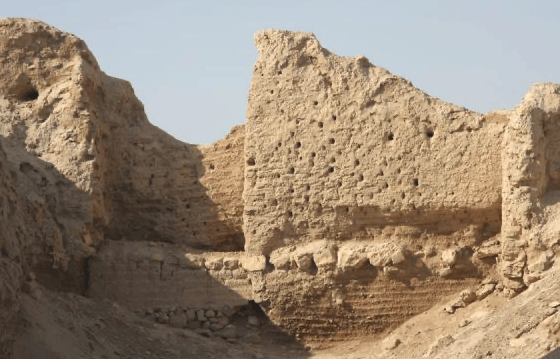
Some ancient societies built massive megalithic stone walls for monuments
It included Jericho; and, others in the mediterranean and middle east. As well, cultures in Mexico and south America built stone walls. Preceisely cut and fitted, for fortification and ritual.
Cultural significance of megaliths can vary widely. As well as there purpose. Its believed most had religious, ceremonial, or astronomical importance. They often required significant labor, showcasing the engineering skills and organization of ancient societies. The exact techniques and methods used to transport and erect these massive stones are still subjects of study and debate among archaeologists and historians. Megalithic monuments continue to capture the imagination and attract visitors. It will always be interested learning about the ancient civilizations that created them.
Bibliography: Lewis, S. (2009) Guide to the Menhirs and other Megaliths of Central Brittany, Nezert Books, ISBN 978-9522705952
O’Kelly, Michael J. 1982. Newgrange: Archaeology, Art and Legend. London: Thames and Hudson.
Orientations of Dolmens of West-Central France (https://adsabs.harvard.edu/full/2002JHAS… 33…51H)
MEGALITHISM – Sacred and Pagan Architecture in Prehistory Alberto Pozzi ISBN: 9781612332550 Ed. Universal Publishers
Piccolo, Salvatore (2013). Ancient Stones: The Prehistoric Dolmens of Sicily. Thornham/Norfolk: Brazen Head Publishing. ISBN 978-0956510624.
Dólmenes de Antequera (http://www.nuevaacropolismalaga.org/archives/malaga/dolmenes_de_antequera.php), nuevaacropolismalaga.org
Leave a Reply