< home # store # services # articles # game # app #contact >
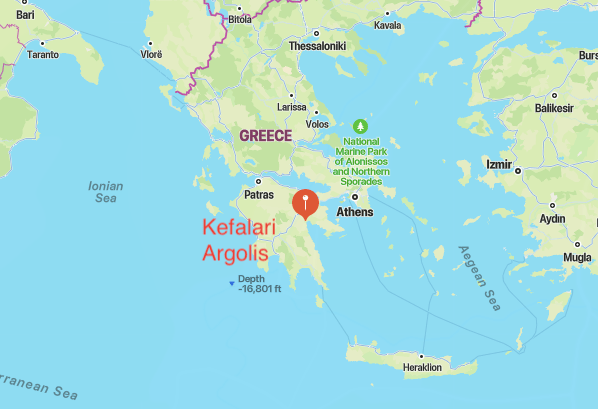


To many, neolithic Kefalari or Κεφαλάρι was spring, lit, or abundant gushing water. This one may have had mythical meanings, and was not far from the pyramid of Hellenikon
Where the carbonate mountains end, large quantities of water from the subterranean waterways emerge, in a large karst spring
The waters run into the river Erasinos, and towards Argolic Gulf. There are many platanus trees and the region is quite beautiful.

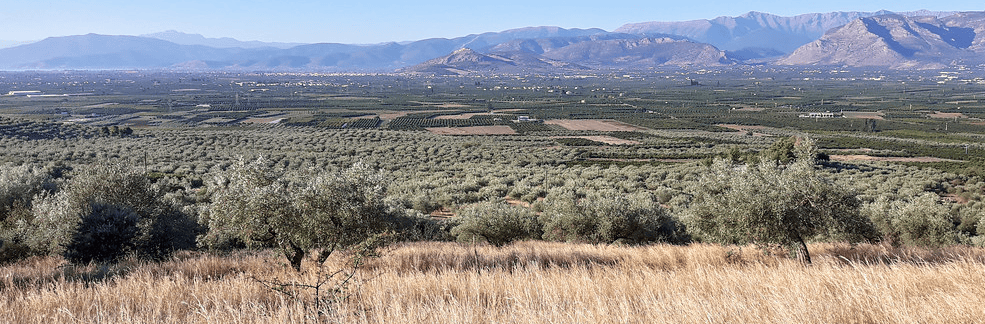
In Argolis is Kefalari. On the northern border of the “Plain of Argos”. Near Peloponnese, at the Argolic Gulf
Several greek villages in mountainous areas, have similar names.
It is a small community. Argos, the next closest big place with significant population is approximately 6 km (3.7 miles) away.

Included in stories of greek history, is information about this unique and abundant region
Stories describe how Hercules eliminated the mythical monster Hydra near the region Lerni, in modern-day Myloi (Argolis). (1) He killed it, then buried the main head of the Hydra, above a small mountain named Chaon (Argolis). After that, a large spring mushroomed, providing water in abundance to the people of Argos.
The actual meaning of Kefalari (Κεφαλάρι) derives from the words αἴρω + κεφάλι (lift/cut + head) taken from the mythical fight of Hercules and Hydra.
During neolithic times, thousands would have visited and enjoyed a fresh sip around the large natural karst spring
To many, spring, lit, or gushing abundant water, is a place of Greek orthodox pilgrimage
The main holiday is celebrated on the Thursday after Orthodox Easter during which there is a large fair.
In mythology, there are also stories of ancient Greeks at these springs
It is significantly important to what we study today.
Kefalari was an integral part of the ancient city-state of Argos.
60m above the Kefalari spring, there is a cave where some say the water used to run up to
Nowadays sometimes the water will sometimes run low. Especially in the dry season.
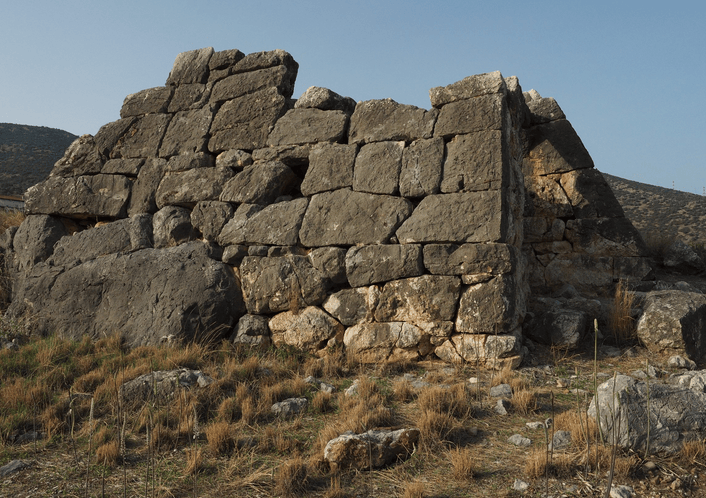
Did you know? The pyramid of Hellenikon, a 20 or 30 foot pyramid, was probably built around 4000 years ago, and is nearby.
Modern-day Kefalari is still a small, lovely village and popular vacation spot. Check it out, with some more neolithic architecture today.
-
 neolithic packers t-shirtPrice range: $60.00 through $70.00
Cite: 1) Kakridis 1987 (Κακριδής Ιωάννης (1987) Ελληνική Μυθολογία, Τόμος 4.)
Bibliography: Greek travel pages: “KEFALARI Village ARGOS”
William Smith: Dictionary of Greek and Roman Geography, London (Walton and Maberly) 1854
Lambert Schneider: Peloponnes. Mykenische Paläste, antike Heiligtümer und venezianische Kastelle in Griechenlands Süden, Köln (DuMont) 2001, ISBN 3-7701-4599-2, S. 178
Morfis, A. (Athens), Zojer, H. (Graz). Karst Hydrogeology of the Central and Eastern Peloponnesus (Greece). Steirische Beiträge zur Hydrogeologie 37/38. 301 pages, Graz 1986
Leave a Reply