<home # start here # guides # builds # services # shop # about # categories>

A megalithic temple complex from the neolithic era. Part of the Maltese archipelago in the Mediterranean sea. Pronounced “jig-gan-tee-ya”. Maltese pronunciation: [dʒɡanˈtiːja], or “Giantess”. Is a UNESCO World Heritage site. From around 3600–2500 BC, on the island of Gozo. The temples are constructed from massive limestone megaliths, some of which weigh several tons. The size of the stone, reflects the name.
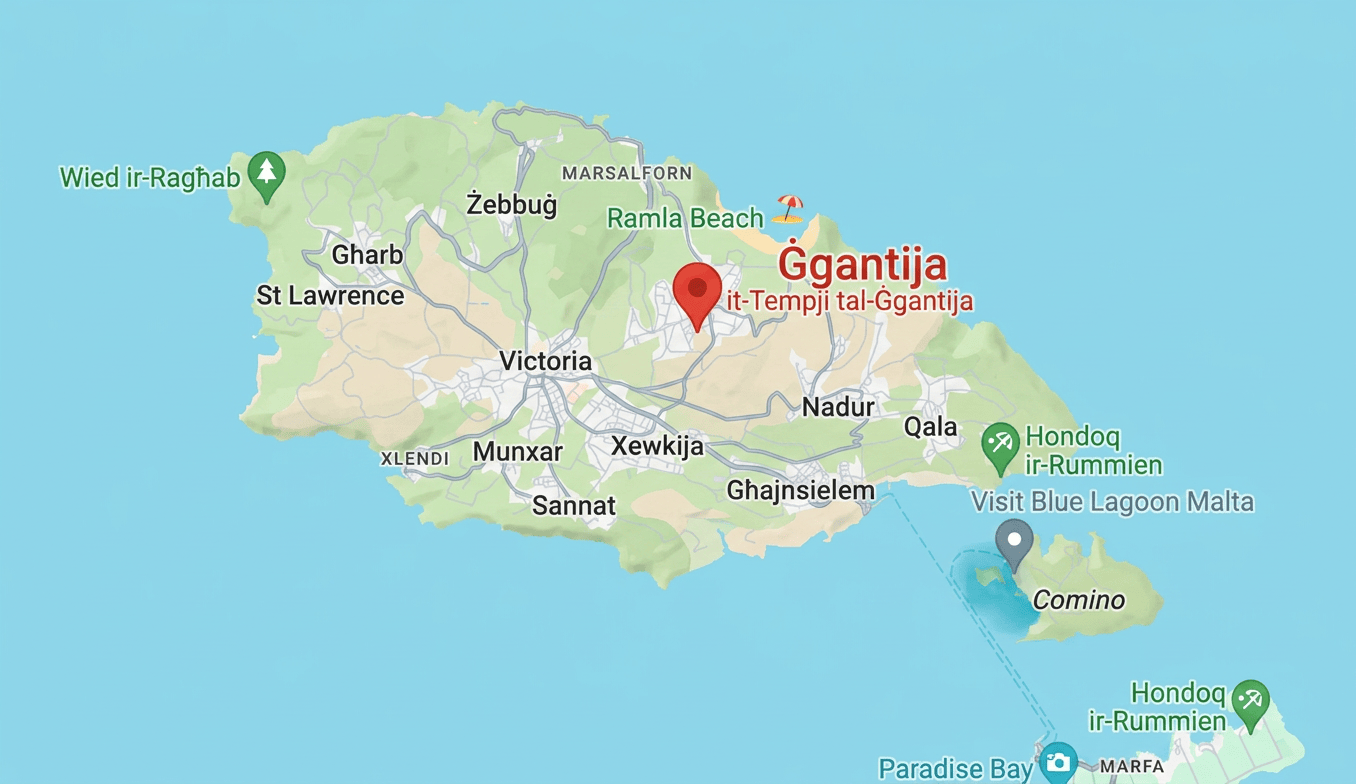
Older than many
Makers erected the two Ġgantija temples during the neolithic period. Making these temples the world’s second oldest existing man made religious structure. After Göbekli Tepe, in present-day Turkey. More than 5500 years ago.
It has two main temples, known as the north and south
They probably begin as separate structures, but share a common boundary wall. And, are both oriented toward the southeast. Similarly to the other temples found in Malta
Inside the temples, there are altars and stone benches. Suggesting religious or ceremonial activities took place
Due to the figurines and statues that have been discovered at the site. Many claim the group here. May have been a part of a fertility cult.

In the south, the temples rise to a height of 6 m, (almost 20 ft)
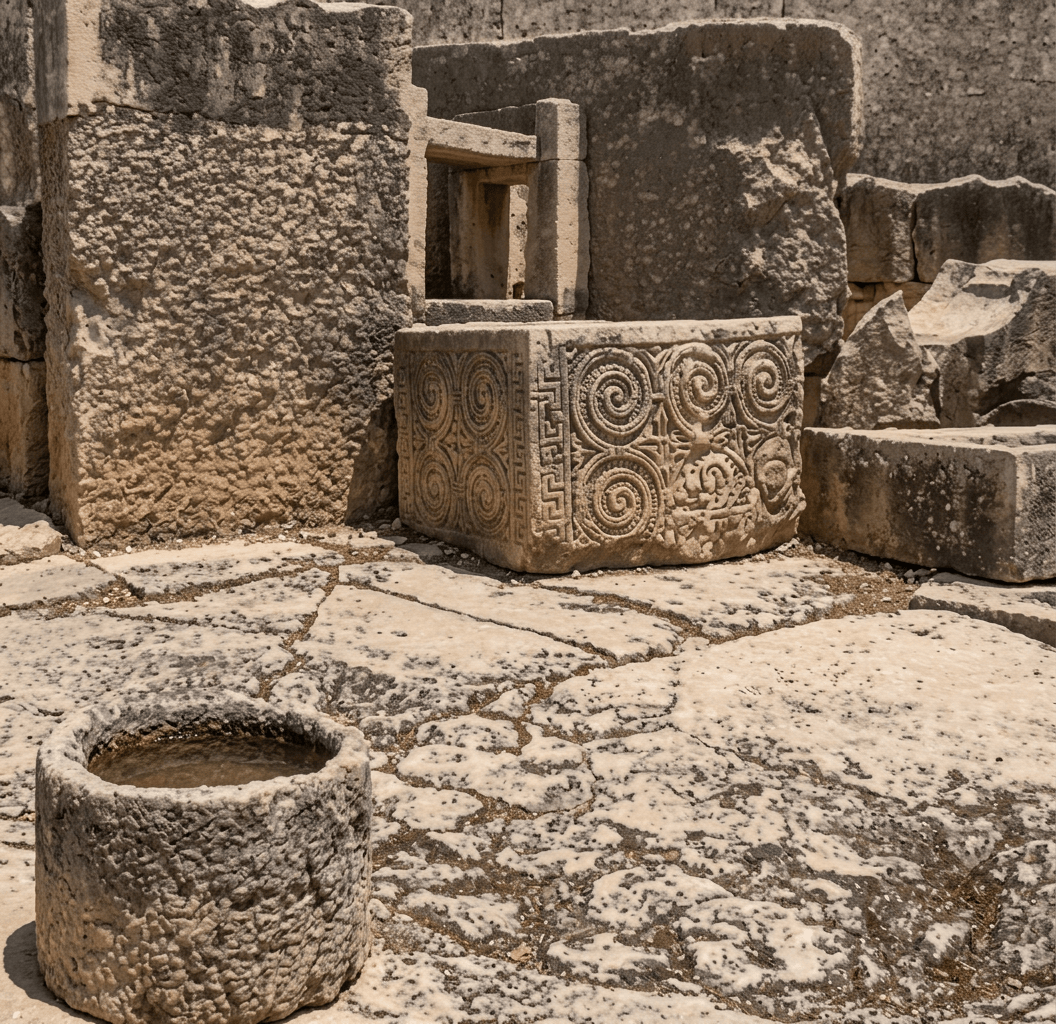
When you enter. Its captivating. There is a large stone block. Leading to the hypothesis there was a purification system of ritual before entry. Due to the number of alters, and animal bones. And, even evidence from the bible. It is believed the space was also used for animal sacrifices.
Stone spheres
Builders and scientists have said that the enormous limestone blocks. May have been transported uses round stones. And, brought nearby to build the two temples.

The structures walls are constructed with cyclopean masonry
They are made form large irregularly shaped stones fitted together. The southern temple. Is larger and older. It is also better preserved.
Encompassed in the great amounts of work. Both areas are built in somewhat clover leaf shapes
The center wall is filled with rubble. And, the connecting passages were believed to once be covered with roofing.
Ownership is the Government of Malta
(http://heritagemalta.org/museums-sites/ggantija-temples/)
Different tourist groups; hunters, archaeologists; artists; participants in the ‘goddess’ movement; and, others offer tours here.
The site was privately owned until 1933, and did not have proper excavations
The exact purpose remains a subject of debate. However, generally is believed to have served as religious, or as a ceremonial sites. Possibly associated with fertility rites.
The presence of statues and figurines suggests a connection to prehistoric rituals and beliefs
Residents and travellers knew about the existence of the temple for a long time. In 1827 Col. John Otto Bayer, the Lieutenant Governor, had the site cleared of debris. Many of the soil and remains were lost to scientists, or without documented examination. More recently, the area has been consistently updated for tourists. Including the 2000s; and, in 2011 when a walkway was added to the floor.

The Ġgantija Temples are an important cultural and historical treasure. They provide valuable insights into the neolithic period, and the megalithic traditions of ancient Malta. Including architectural, engineering and survival skills. The temples are important not only for their age but also for their role in understanding the social and religious practices of prehistoric people in the Mediterranean. It is also a great spot for a tourist attraction, and, integral part of Malta’s rich archaeological heritage.
Bibliography:
De Soldanis, Gozo, Ancient and Modern, Religious and Profane, Book I, pp. 86–88
Żammit, Mayrhofer, The Prehistoric Temples of Malta and Gozo, p. 155
Trump, Malta: An Archaeological Guide, p. 156
“Goddess History by Marija Gimbutas” (https://www.carnaval.com/goddess/). http://www.carnaval.com
Leave a Reply