<home # start here # guides # builds # services # shop # about # categories>

Fire was one of humanity’s earliest and most important technologies. Long before metalworking, engines, or electricity, people learned that controlled heat could transform materials in remarkable ways. During the Neolithic period, fire was not only used for cooking, warmth, and protection. It also became an essential tool in construction.
By learning how heat affected clay, stone, earth, wood, and minerals, early builders developed stronger building materials, more durable finishes, improved tools, and increasingly sophisticated construction methods. The development of kilns and controlled firing technologies marked one of the most important technological advances of the prehistoric world.
Many of the building materials we still use today. From bricks and ceramics to lime plasters and cement-like products. Owe their origins to discoveries made by Neolithic communities thousands of years ago. This article explores how fire and kilns were used in early construction, what archaeologists know about these technologies, and how they helped shape the development of architecture.
Fire Before Kilns
Humans had controlled fire for hundreds of thousands of years before the Neolithic period. Early uses included cooking food, heating shelters, providing light, protection from predators, processing materials and managing landscapes. Over time, people began noticing that fire changed the properties of natural materials. For example clay hardened when heated, certain stones fractured differently, wood became charcoal, minerals changed color and limestone transformed into lime. These observations laid the foundation for future building technologies.
Why Fire Matters in Construction
Fire allows builders to alter materials in ways that are impossible through simple shaping or carving. Heat can harden clay, dry building materials, improve durability, produce plasters, create waterproof containers and transform minerals. In many ways, fire became one of the earliest forms of material engineering. The controlled use of heat allowed builders to create materials that did not exist naturally in their finished form.
The Earliest Fired Clay
One of the most significant discoveries in architectural history was that clay becomes harder and more durable when heated. When clay is shaped, dried and fired. It undergoes permanent physical changes. Benefits are increased strength, greater water resistance, improved durability and better long-term preservation. Early fired clay products included pottery, storage vessels, figurines and decorative objects. Eventually, these technologies influenced construction materials as well.
From Hearths to Kilns
The earliest firing may have occurred accidentally. A clay object left near a hearth or caught in a fire might emerge harder than before. Over generations, people learned that controlled heating produced more reliable results. This led to increasingly sophisticated firing structures. The transition from open fires to purpose-built kilns represented a major technological advance.

What Is a Kiln?
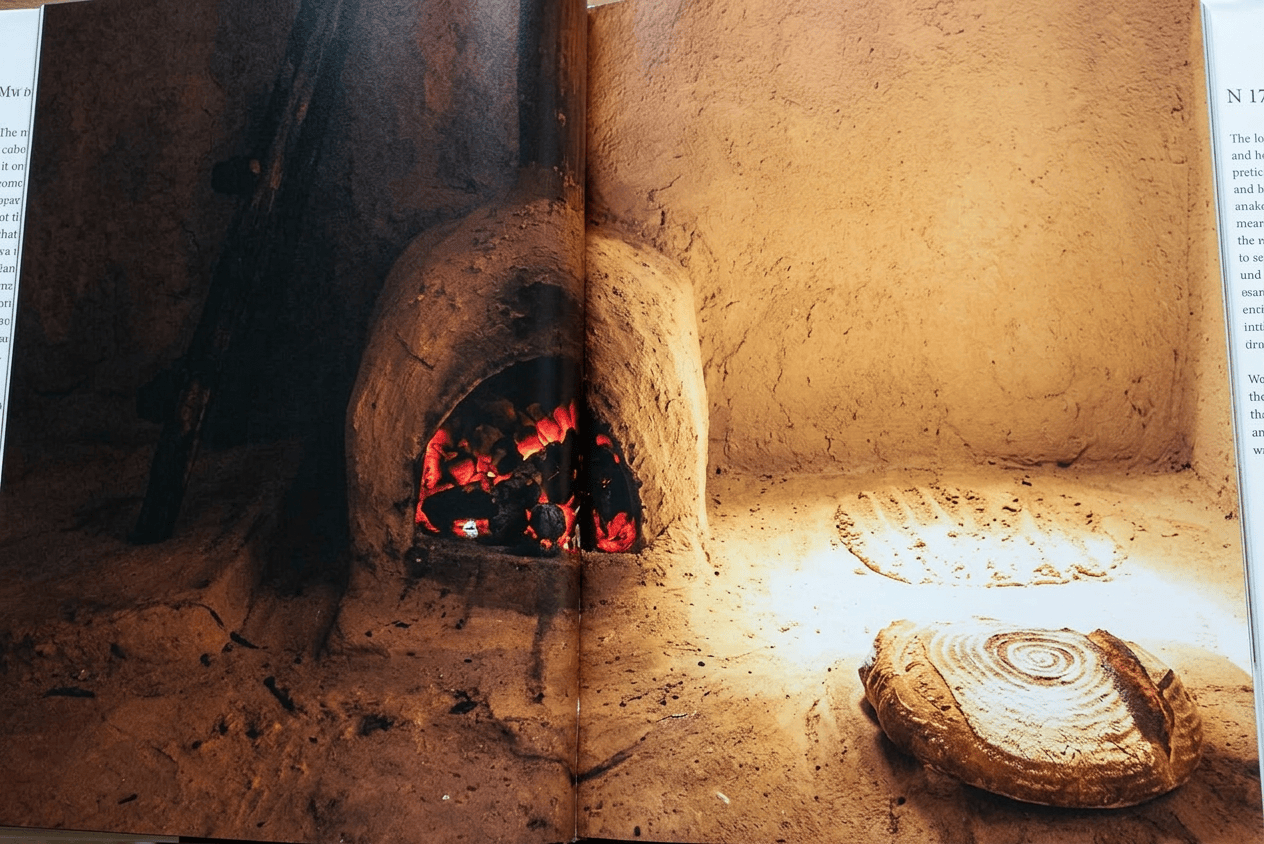
A kiln is a structure designed to concentrate heat, control airflow, maintain high temperatures and improve firing efficiency. Unlike an open fire, a kiln allows builders to regulate the heating process more effectively. Basic kiln components often include fire chambers, fuel areas, ventilation openings and firing spaces. Even simple kilns can reach temperatures far higher than ordinary campfires.
Early Kiln Development
The earliest kilns were likely constructed using clay, mudbrick, stone and earth. Archaeologists have discovered evidence of kiln technologies at numerous Neolithic and later prehistoric sites. Although designs varied by region, many shared common principles: controlled airflow, heat retention and fuel efficiency. These innovations enabled larger-scale production of fired materials.
Pottery and Construction
Pottery production helped drive advances in kiln technology. As communities produced increasing numbers of storage jars, cooking vessels and water containers. They refined firing methods.
Knowledge gained from pottery kilns eventually contributed to building technologies involving bricks, tiles, plasters and lime production. Pottery and architecture often evolved together.

Fired Bricks
Many early Neolithic communities primarily used sun-dried mudbricks. Sun-dried bricks offered several advantages like easy production, low energy requirements and local materials. However, firing bricks can dramatically improve strength, water resistance and longevity. While widespread fired brick architecture became more common in later periods, the knowledge required emerged gradually from earlier experiments with clay and heat.
Lime Production: A Revolutionary Technology
One of the most important construction uses of fire was lime production. When limestone is heated to high temperatures, it undergoes a chemical transformation. The process creates quicklime, slaked lime and lime plaster. This represented one of humanity’s earliest manufactured building materials. Producing lime required limestone sources, fuel supplies, controlled heating and technical knowledge. The result was a durable material, that could be used for floors, walls, finishes, protective coatings and early Lime Plaster Sites. Archaeologists have found evidence of lime plaster production at important Neolithic settlements including: Jericho, Ain Ghazal and Çatalhöyük. These sites demonstrate that builders were already manipulating materials through controlled heating thousands of years before industrial chemistry.
Burned Stone and Construction
Fire also affected stone. Builders sometimes used heat to fracture rock, shape materials, process limestone and clear construction sites. Heat can weaken certain stones, making them easier to break into usable pieces. This technique may have been useful where large stone blocks were required.
Charcoal and Construction
Charcoal production became increasingly important as firing technologies advanced. Compared with raw wood, charcoal burns hotter, burns cleaner and produces more consistent temperatures. These properties improve kiln performance, lime production and material processing. Charcoal likely played a growing role in advanced prehistoric firing systems.
Fire-Hardened Clay Floors
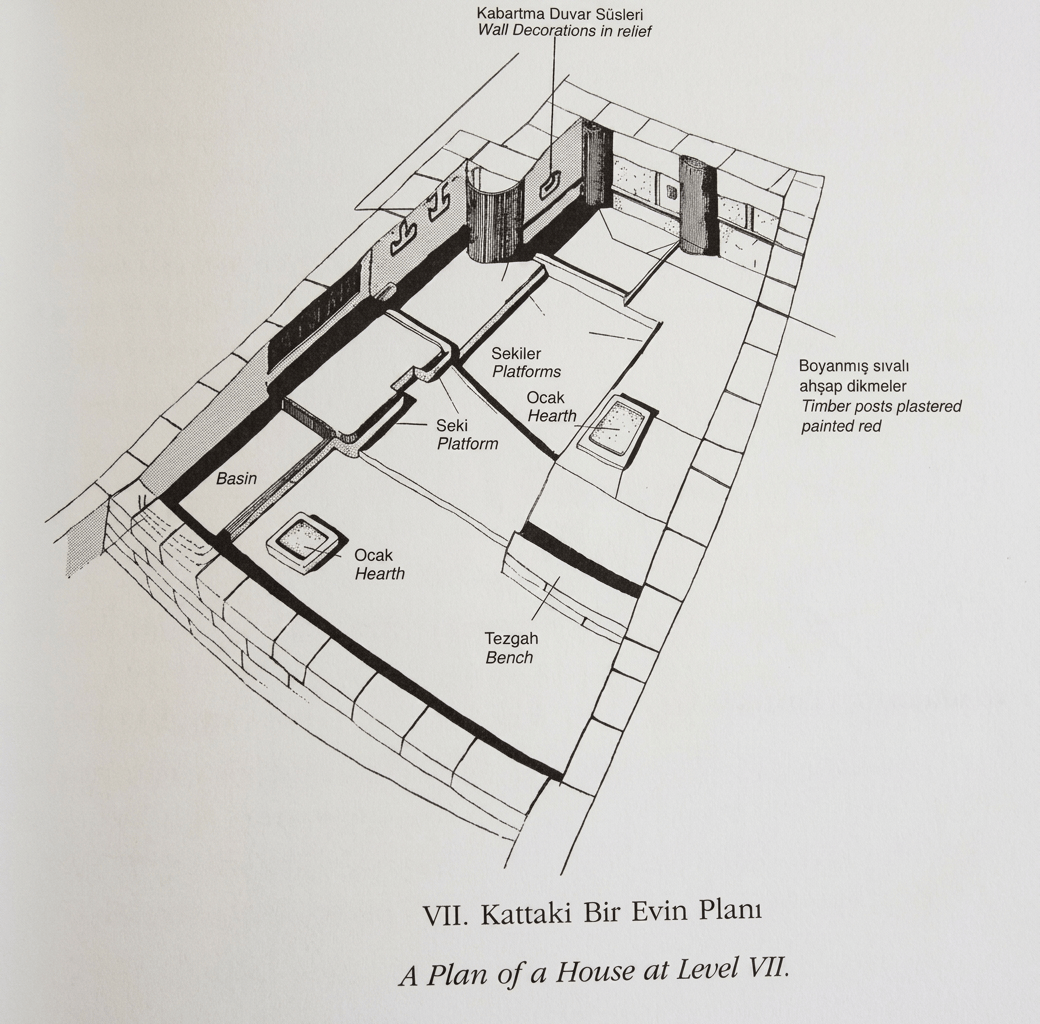
Some Neolithic communities intentionally hardened floor surfaces through exposure to heat. Benefits included greater durability, reduced dust and improved resistance to wear. Repeated use of hearths could also alter surrounding floor materials over time. Archaeologists often identify ancient activity areas through these heat-related changes.
Kilns and Specialized Labor
As firing technologies became more complex, specialized knowledge likely emerged. Operating a successful kiln required understanding fuel management, airflow, temperature control and material behavior. Communities may have developed skilled craftspeople responsible for pottery production, lime manufacture and construction materials. This represents an important step toward technological specialization.
Environmental Costs of Early Kilns
Kilns required fuel. Common fuel sources included wood, brush, agricultural waste and charcoal. Large-scale firing operations could consume significant resources. Some researchers suggest that growing demand for fuel may have influenced woodland management, settlement planning and resource use strategies. The relationship between construction and environmental management began very early in human history.
Archaeological Evidence of Kilns
Researchers identify ancient kilns through burned clay structures, ash deposits, charcoal remains, heat-altered soil, firing debris and production waste. Because kilns often reach high temperatures, they can leave distinctive traces that survive for thousands of years. These remains provide valuable evidence of technological development.
Experimental Archaeology
Modern researchers have recreated ancient kilns to better understand their capabilities. Experiments demonstrate that relatively simple structures can reach surprisingly high temperatures, produce durable materials and operate efficiently. These reconstructions help archaeologists understand labor requirements, fuel consumption and material performance. They also reveal the impressive engineering skills of prehistoric builders.
Fire as a Construction Technology
Today we often think of fire as separate from architecture. For Neolithic builders, however, fire was itself a building technology. It allowed people to: transform raw materials, improve durability, create new products and expand architectural possibilities. Without fire, many later developments in construction would have been impossible.
Lessons for Modern Sustainable Building
Ancient firing technologies remind us that innovation does not always require advanced machinery. Neolithic builders achieved remarkable results using local materials, renewable resources, practical experimentation and generational knowledge. Modern sustainable construction continues to draw inspiration from earthen materials, lime plasters, traditional ceramics and low-tech production methods. These technologies demonstrate the value of understanding material science at a human scale.
The controlled use of fire was one of the most important developments in the history of construction. Through experimentation with clay, stone, lime, and fuel, Neolithic communities discovered ways to create stronger, more durable, and more versatile building materials. From the earliest pottery kilns to the production of lime plaster and fired construction materials, fire transformed architecture long before the arrival of metals or industrial technology. These innovations reveal that Neolithic builders were not merely shelter makers. They were skilled material engineers whose discoveries laid the foundations for many of the construction technologies, still used around the world today.
Leave a Reply