<home # start here # guides # builds # services # shop # about # categories>
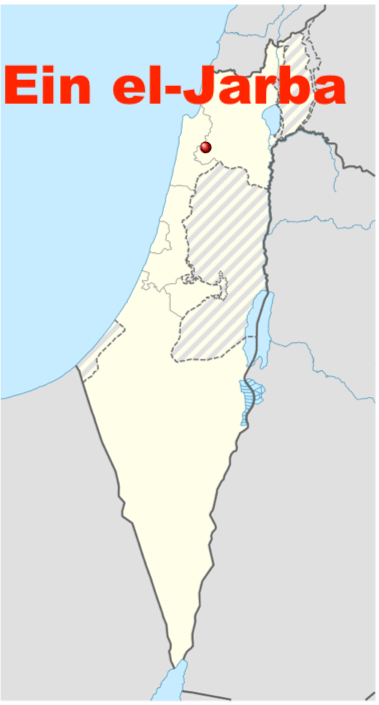
Ein el-Jarba is one of the best-studied Early Chalcolithic (Wadi Rabah culture) settlements in northern Israel. Although it is sometimes discussed alongside Late Neolithic sites, archaeologists generally classify its principal occupation as Early Chalcolithic (6th millennium BC), representing the transition from the Pottery Neolithic into the Chalcolithic.
Renewed excavations between 2013 and 2016 greatly expanded our understanding of the site, revealing domestic architecture, burials, imported obsidian, Halaf pottery, figurative objects, and evidence for long-distance trade.
It is located in the Jezreel Valley, near modern Kibbutz HaZore’a
About 20 km southeast of Haifa. 15 km east of the Mediterranean coastal plain and approximately 40 km south of Hayonim Cave. At the foot of the Menashe Heights, beside an important route connecting the coast with the Jordan Valley. It was roughly 110 km north of Jericho.
Current evidence indicates:
5800–5300 BC (main Wadi Rabah occupation);
Later Early Bronze Age IB occupation (4th millennium BC); and
Hellenistic remains in some parts of the site
The Early Chalcolithic village appears to have been occupied through several building phases before abandonment. Thousands of years later, the site was reoccupied during the Early Bronze Age and again during the Hellenistic period.
During the sixth millennium BC the Jezreel Valley was slightly wetter than today
Nearby vegetation probably included: Palestine oak, Pistachio (Pistacia palaestina), Terebinth, Wild almond, Wild fig, Hawthorn, Pear and Willow and reeds along streams.
Archaeobotanical analyses and the Wadi Rabah economy almost certainly included Emmer and Einkorn wheat, Barley, Lentils, Peas and Bitter vetch. Wild foods probably included pistachios, almonds, figs, acorns and more.
These crops and woodland resources are consistent with other Wadi Rabah settlements in northern Israel.
Domestic animals included: Sheep, Goats, Cattle and Pigs
Wild resources continued to supplement the diet, including gazelle, deer, wild boar, birds, and fish from nearby streams.
Excavations uncovered substantial domestic remains including: Rectilinear mudbrick buildings, Plastered floors, Working surfaces, Circular installations and Outdoor activity areas. The settlement appears to have covered approximately 10–15 hectares, making it one of the larger known Wadi Rabah communities.
No monumental temple or communal building comparable to Göbekli Tepe or Jerf el Ahmar has been identified. However, archaeologists recovered adult and infant burials; and figurative and special objects.
Many burials appear to have been placed after buildings were abandoned, suggesting changing uses of domestic space through time.
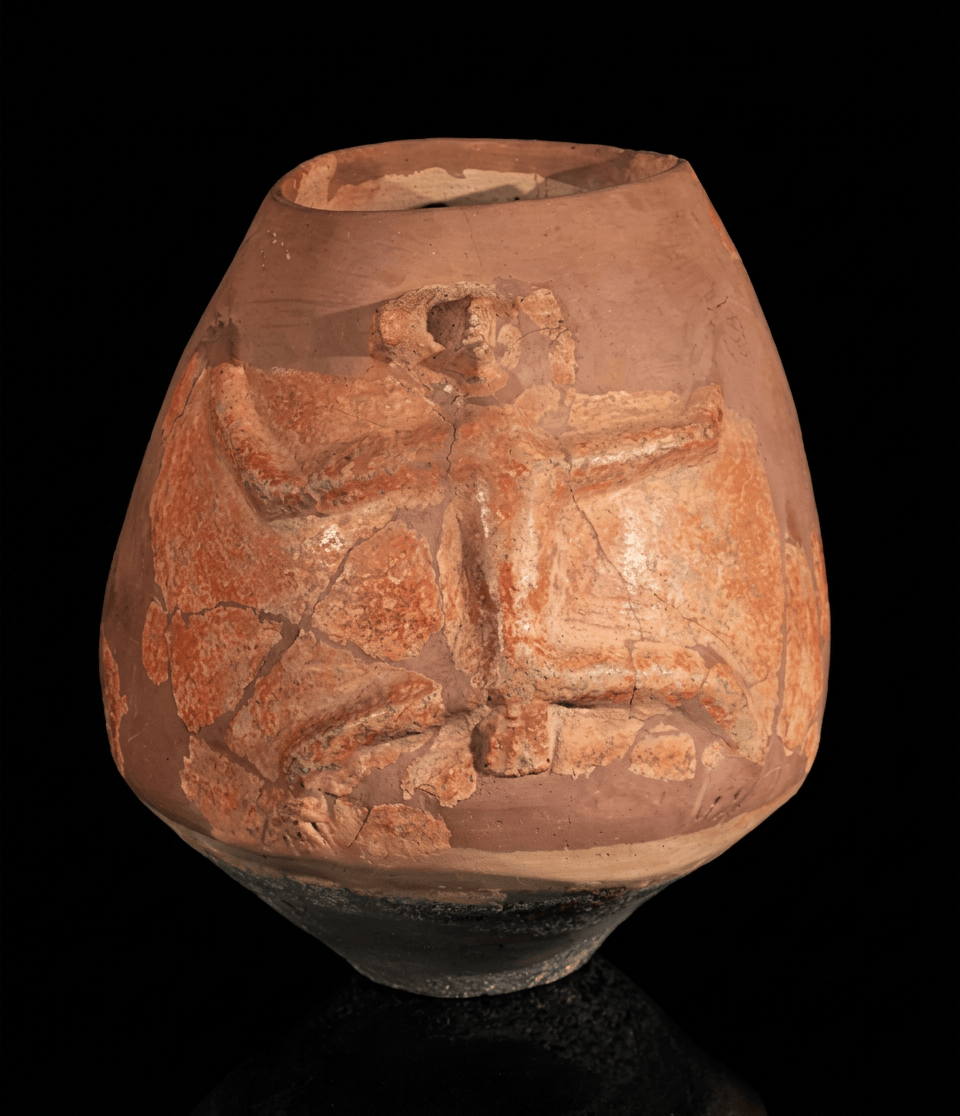
Excavations produced clay figurines, animals and ceramic objects
These provide evidence for symbolic or ritual behaviour within the settlement.
No convincing evidence for formal board games has been published
Though, some small clay and stone objects may have served as counters, weights, or symbolic items. Game pieces were more common during the bronze age.
Stone tools indicate woodworking activities
Flint blades, adzes, scrapers, borers and ground-stone tools.
Most stone tools were manufactured from local flint.
Obsidian was imported from Anatolia, and sherds of Halaf pottery imported from northern Mesopotamia or northern Syria.
These finds demonstrate extensive exchange networks stretching hundreds of kilometres during the sixth millennium BC.
Weapons include projectile points, arrowheads, and knives
Ein el-Jarba is particularly significant for (8): Well-preserved Wadi Rabah architecture;
Adult and infant burials;
Imported Anatolian obsidian;
Imported Halaf pottery;
Rich ceramic assemblages;
Figurines;
Long-distance exchange networks linking the southern Levant with Anatolia and northern Mesopotamia; and,
Archaeology and archaeobotany
Was the site abandoned?
Evidence suggests (6): Establishment of an Early Chalcolithic settlement;
Several phases of rebuilding within the Wadi Rabah occupation;
Abandonment near the end of the sixth millennium BC;
Long occupational gap;
Reoccupation during the Early Bronze Age; and,
Later Hellenistic occupation.
During the Early Holocene, the Jezreel Valley was generally wetter than today, with denser Mediterranean woodland, more reliable springs, and fertile alluvial soils. By the time Ein el-Jarba flourished, farming communities were well established in a productive agricultural landscape. Over subsequent millennia, gradual drying, woodland clearance for cultivation, expanding pastoralism, and increasing human land use transformed the valley into the more open agricultural landscape seen today. Despite these changes, the Jezreel Valley remains one of Israel’s most fertile farming regions.
References: Arensburg, B. (1970). The Human Remains from ‘Ein el-Jarba. Bulletin of the American Schools of Oriental Research, 197, 49–52.
Kaplan, J. (1969). ‘Ein el-Jarba: Chalcolithic Remains in the Plain of Esdraelon. Bulletin of the American Schools of Oriental Research, 194, 2–39.
Meyerhof, E. (1982). Ein el-Jarba 1980: Preliminary Report. Mitekufat HaEven, 17, 79–85.
Streit, K. (2016). The 6th Millennium cal. BCE Wadi Rabah Culture: Further Excavations at Ein el-Jarba in the Jezreel Valley, Israel (2015–2016). Strata: Bulletin of the Anglo-Israel Archaeological Society, 34, 13–40.
Banning, E. B. (2007). “Wadi Rabah and Related Assemblages in the Southern Levant: Interpreting the Radiocarbon Evidence.” Paléorient, 33(1), 77–101.
Garfinkel, Y. (1999). Neolithic and Chalcolithic Pottery of the Southern Levant. Qedem 39. Hebrew University of Jerusalem.
Leave a Reply