< home # store # services # articles # game # app #contact >


Because of its location in the ‘golden sands’ region. Durankulak is prehistoric
A neolithic village is located on the northeastern coast of Bulgaria. Near Romania, along the Black Sea. It dates to around 7000 years ago.
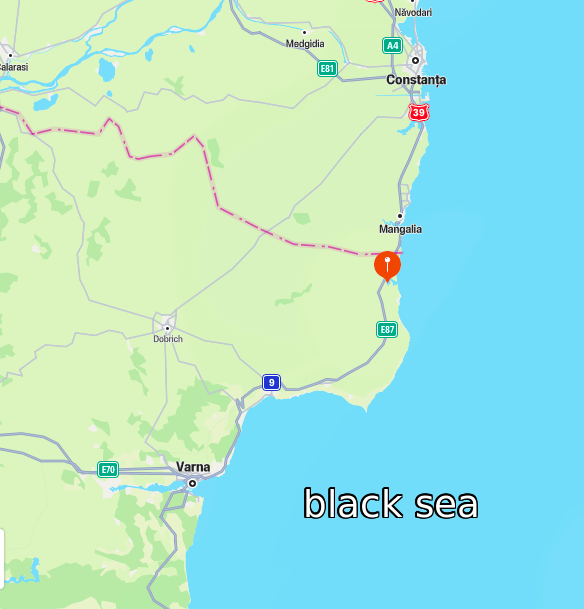
The area is known for natural beauty. Like sandy beaches and coastal wetlands
Including wildlife and birds.

Durankulak was named for a taurus that knocked his hoof, and gushed water
It stomped down, and surrounded the two islands in the lake. And, thus provided life and prosperity for its inhabitants.
Golden ornamentation’s of tauruses have been found nearby in the Thracian tombs; roman burials; and, Varna Necropolis.
In the vicinity, several other important archaeological sites have been discovered:
The Durankulak complex, which dates back to around 4,000 BC. Provides insight on how people may have lived here 6000 years ago.
The Solnitsata, a salt production site
It had distribution channels, and pottery manufacturing too.
And, Varna Necropolis, a gold; and, bronze age burial
All provide insight into history of the golden sands region, and Europe.
Early evidence of Trade
Archaeological findings indicate that the inhabitants were engaged in long-distance trade, and maintaining contacts with neighboring regions and cultures
Artifacts such as obsidian, pottery, and ornaments from distant areas have been discovered.
From the 1970s. More than 1200 burials; and, 25 houses have been discovered and carefully documented. Durankulak is one of the few monuments in Europe that show early development of daily life including trade, and early farming societies
The first long term inhabitants in the region were believed to be Hamangia culture
They had been dated to the middle of the 6th, to the 5th millennium BC. They were small-scale cultivators that planted things. They built houses, and made pottery. As well, they hunted and herded animals.
In 4650 BC stone architecture became a characteristic phenomenon in the settlement
The lake and area, became a well-organized settlement with buildings.
Each building, had substantial size, with several rooms. In the corners, they had large posts for support. Many of them were joined with wood or branches. And, covered in mud and clay.
It was probably laid out for a few generations in advance
For families, their livability and extended maintenance.
Buildings were large, and rectangular. With narrow paths separating
Most had stone bases.
There were caves and cisterns in the area too
Due to the presence of a taurus. The Durankulak archaeology site; and its surroundings and architecture. Are amazing discoveries.
So legend has it. The bull eventually knocked the lake out. And, its surrounding wetlands. So it is now recognized as the ‘Ramsar’. And, is of international importance.
The region will continue to be an important destination for both neolithic and environmental enthusiasts. Check it out with some more neolithic architecture today!


Bibliography:
Anubis Todorova, H. 2002a. Durankulak, Band II, die prähistorischen gräberfelder von Durankulak, Teil 1. Berlin-Sofia: Publ. House
Anubis. Todorova H. 2002b. Durankulak, Band II, die prähistorischen gräberfelder von Durankulak, Teil 2. Berlin-Sofia: Publ. House
Wikipedia contributors. (2023). Durankulak (archaeological site). Wikipedia. https://en.wikipedia.org/wiki/Durankulak_(archaeological_site)
Leave a Reply