<home # start here # guides # builds # services # shop # about # categories>

When people think about the origins of health care, dentistry, and medicine, they often imagine the great civilizations of Egypt, Mesopotamia, Greece, or Rome. Yet some of the earliest evidence for both farming and dental treatment comes from a much older settlement: Mehrgarh.
Occupied from approximately 7000 BCE to 2600 BCE, Mehrgarh was one of the earliest farming communities in South Asia, and an important predecessor to the later Indus Valley Civilization. Archaeologists have discovered evidence of cultivated crops, domesticated animals, specialized crafts, long-distance trade, and perhaps most surprisingly, some of the world’s earliest known dental procedures.
Mehrgarh raises an important question for students of Neolithic architecture and society: How quickly did health care emerge after farming began?
The archaeological evidence suggests that concern for health, treatment, and bodily care appeared surprisingly early in settled agricultural communities.

Where Was Mehrgarh?
Mehrgarh was located on the Kachi Plain near the Bolan Pass in present-day Pakistan. Its location provided access to fertile agricultural land, seasonal water sources, mountain resources and trade routes linking South Asia, Central Asia, and the Iranian plateau. The settlement occupied a strategic position between farming communities and pastoral groups, allowing it to become an important center of innovation and exchange.
Why Is Mehrgarh Important?
Mehrgarh is one of the earliest known farming settlements in South Asia. Archaeological evidence indicates that its inhabitants practiced crop cultivation, animal domestication, permanent settlement, craft production, storage technologies and long-distance trade. The site provides an extraordinary record of how human communities adapted to agricultural life over several thousand years. Because occupation continued for millennia, researchers can observe changes in architecture, technology, economy, and health through time.
Early Farming at Mehrgarh
The earliest levels of Mehrgarh date to approximately 7000 BCE. Evidence suggests cultivation of barley, wheat and other early domesticated crops. Residents also managed domesticated animals including sheep, goats and cattle. Like other Neolithic communities, Mehrgarh represented a transition away from exclusive hunting and gathering toward a mixed agricultural economy. This shift transformed nearly every aspect of life, including architecture, food storage, labor organization, and health.
The Discovery of Early Dentistry
One of Mehrgarh’s most remarkable discoveries emerged from the study of human burials. Archaeologists found several individuals whose teeth contained carefully drilled holes. These holes showed characteristics suggesting deliberate treatment rather than accidental damage. Researchers observed circular perforations, controlled drilling patterns, evidence of healing in some cases and procedures performed on living individuals. The findings date to roughly 7000–5500 BCE, making them among the oldest known examples of dental intervention anywhere in the world.
How Were Teeth Drilled?
The drilling appears to have been performed using stone-tipped tools. Researchers believe craftspeople familiar with bead-making technology may have adapted their drilling skills for dental treatment. Possible equipment included flint drill points, bow drills and abrasive materials. The techniques used at Mehrgarh resemble methods employed in the production of stone and shell beads. This suggests that technological knowledge developed for crafts may have contributed directly to early medical practices.
Why Were Teeth Drilled?
The most likely explanation is treatment of dental pain. Possible reasons include tooth decay, infection, cavities and severe discomfort. Agricultural diets often contain higher levels of carbohydrates than hunter-gatherer diets. As communities consumed more cultivated grains, dental problems became increasingly common. The people of Mehrgarh may have been among the first to develop practical responses to these new health challenges.
Farming and New Health Problems
Agriculture brought many advantages more predictable food supplies, larger populations, permanent settlements and resource storage. However, farming also introduced new health concerns (dental and infectious disease, nutritional challenges, work related injuries)
Dental Disease. Grain-rich diets often increase tooth decay.
Infectious Disease. Larger populations create more opportunities for disease transmission.
Nutritional Challenges. Reliance on a narrower range of foods can lead to deficiencies.
Work-Related Injuries. Agricultural labor places repetitive stress on the body.
As settlements became larger and more permanent, communities needed new ways to address these problems.
How Quickly Did Health Care Emerge?
The evidence from Mehrgarh suggests that health care emerged remarkably quickly after farming. Within a few centuries of the establishment of settled agricultural life, people were already caring for the sick, Treating injuries, managing dental problems and developing specialized knowledge. Although this should not be confused with modern medicine, it demonstrates an important principle: human communities began creating health-care solutions almost immediately when new social and biological challenges appeared.
Was Dentistry the Beginning of Medicine?
The dental evidence from Mehrgarh does not represent the beginning of human healing. Hunter-gatherers had long cared for injuries and illnesses using herbal remedies, bone setting, wound treatment and community caregiving. However, Mehrgarh reveals something different. It shows evidence of specialized procedures, technical intervention, tool-assisted treatment and knowledge transmission. These are characteristics often associated with organized medical practice. The site therefore provides one of the earliest known examples of technological health care.

Architecture and Health
For students of Neolithic architecture, health care cannot be separated from settlement design. Permanent communities created new architectural needs. Residents required clean living spaces, food storage facilities, protection from weather, waste management systems and areas for food processing. At Mehrgarh, mudbrick architecture helped create stable living environments that supported growing populations. Buildings became part of a broader strategy for improving survival and well-being. In this sense, architecture itself functioned as a form of public health technology.
Craft Specialists and Medical Knowledge
An intriguing aspect of Mehrgarh is the possible connection between craft production and health care. The same skills used to produce beads, stone ornaments and precision drilling. May have contributed to dental treatment. This suggests that technological innovation often spreads across different fields. A craftsperson skilled in drilling stone may have become the community member most capable of addressing severe tooth pain. The boundaries between artisan, technician, and healer may have been less rigid than in modern societies.
Community Care in Early Agricultural Societies
Archaeological evidence from many Neolithic sites indicates that communities cared for vulnerable individuals. People with injuries or disabilities sometimes survived for years after serious trauma. Such survival would have required food sharing, social support, nursing care and community cooperation The evidence from Mehrgarh reinforces the idea that compassion and caregiving were important components of early settled life. Health care did not emerge solely from technology. It also emerged from social responsibility.
Mehrgarh and the Origins of the Indus Tradition
Mehrgarh is often viewed as a precursor to the later Indus urban centers such as: Mohenjo-daro and Harappa. Over thousands of years, there were innovations in farming, craft production, settlement planning and health practices. It contributed to the development of increasingly complex societies. The roots of later South Asian civilization can be traced in part to the experiments and adaptations that occurred at Mehrgarh.

Lessons for Neolithic Architecture
Mehrgarh offers several important lessons (farming changes health, technology supports well being, architecture influences public health, health care is ancient and innovation emerges gradually)
Farming Changes Health. Agriculture creates both opportunities and challenges.
Technology Supports Well-Being. Tools developed for one purpose can be adapted to solve medical problems.
Architecture Influences Public Health. Settlement design affects sanitation, food storage, and quality of life.
Health Care Is Ancient. Communities developed practical treatments long before written medicine.
Innovation Emerges Gradually. Major advances often result from the accumulation of small improvements over generations.

Between approximately 7000 and 2600 BCE, the people of Mehrgarh helped shape one of the world’s earliest agricultural traditions. They cultivated crops, domesticated animals, built permanent settlements, and developed technologies that transformed daily life.
Among their most remarkable achievements is some of the earliest known evidence for dentistry. Carefully drilled teeth suggest that community members were not only coping with the health consequences of farming but actively developing solutions to them.
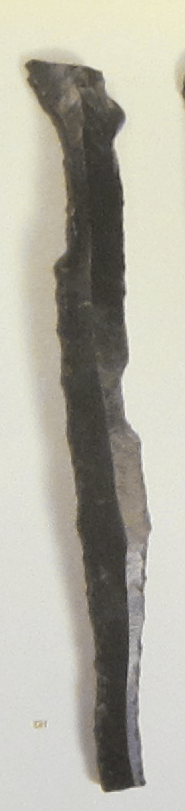
How quickly did health care emerge after farming?
The evidence from Mehrgarh indicates that it emerged surprisingly fast. Within the earliest centuries of settled agricultural life, people were already applying specialized technical knowledge to relieve pain and improve well-being.
For students of Neolithic architecture, Mehrgarh demonstrates that the story of farming is not simply about crops and buildings. It is also about health, innovation, caregiving, and the development of technologies that allowed growing communities to thrive.

References: Roberto Macchiarelli et al. 2006. “Early Neolithic Tradition of Dentistry in Pakistan.” Nature 440: 755–756.
Coppa, A., Bondioli, L., Cucina, A., Frayer, D. W., Jarrige, J.-F., Macchiarelli, R., et al. 2006. “Palaeontology: Early Neolithic Dentistry.” Nature 440(7085): 755–756.
Jean-François Jarrige, Jarrige, C., Meadow, R. H., and Quivron, G. (1995). Mehrgarh: Field Reports 1974–1985. Karachi: Department of Culture and Tourism, Government of Sindh.
Jarrige, J.-F. 2008. “Mehrgarh Neolithic.” In Encyclopedia of the History of Science, Technology, and Medicine in Non-Western Cultures.
Steven Mithen. 2003. After the Ice: A Global Human History, 20,000–5,000 BC. Harvard University Press.
Clark Spencer Larsen. 2015. Bioarchaeology: Interpreting Behavior from the Human Skeleton. Cambridge University Press.
Trevor Watkins. 2010. “New Light on the Neolithic Revolution in Southwest Asia.” Antiquity 84(325): 621–634.
Ian Hodder. 2018. Religion, History, and Place in the Origin of Settled Life. University Press of Colorado.
Leave a Reply