<home # start here # guides # builds # services # shop # about # categories>

One of the most important yet often overlooked functions of architecture is protection. While Neolithic buildings provided shelter from weather, they also helped safeguard people, food supplies, livestock, tools, and community resources. As human societies transitioned from mobile hunter-gatherer lifestyles to permanent agricultural settlements, new challenges emerged. Stored food attracted thieves and pests, livestock required protection, and growing populations increased the potential for disputes over land, water, and resources.
These pressures influenced the design of Neolithic settlements across Europe, the Near East, Asia, and other parts of the world. Builders developed a variety of architectural strategies to enhance security, ranging from defensive walls and ditches to carefully planned settlement layouts and elevated storage structures.
Although Neolithic communities were not constantly engaged in warfare, archaeological evidence suggests that concerns about safety and protection played a significant role in shaping many early settlements. By examining these defensive features, we gain valuable insight into the social organization, environmental challenges, and cultural priorities of the first farming societies.

Why Defence Became Important
For most hunter-gatherer groups, mobility was a key survival strategy. If resources became scarce or conflicts arose, communities could relocate. Permanent settlements changed this dynamic. Neolithic communities invested considerable labor in houses, granaries, wells, livestock enclosures, ceremonial structures and agricultural fields. These investments created valuable assets that could not easily be moved. As a result, protecting settlements became increasingly important. Communities faced threats from wild animals, crop-raiding pests, livestock predators, environmental hazards, theft and inter-group conflict. Architecture became one of the primary tools for managing these risks.
The Protection of Food Supplies
Food storage was among the most critical concerns in Neolithic societies. Stored grain represented future harvest security, community wealth, survival during poor seasons, and labor investment. Losing stored food could have devastating consequences. To protect these resources, communities developed specialized structures such as storage pits, raised granaries, clay-lined bins and communal storage buildings. Many were designed to limit access, reduce moisture, and discourage rodents and other pests. In some settlements, storage areas were located within protected zones of the community.

Settlement Location as Defense
One of the earliest forms of protection involved choosing defensible locations. Many Neolithic settlements were established on hills, elevated ridges, river terraces, promontories, naturally protected valleys. These locations offered advantages such as better visibility, reduced flooding risk, easier defense and improved drainage. Natural landscape features often served as the first line of protection. Rather than relying solely on constructed defenses, communities frequently incorporated geography into their security strategies.
Defensive Ditches and Earthworks
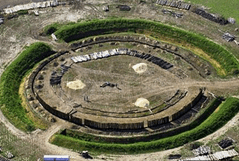
One of the most common defensive features found at Neolithic sites is the ditch. These earthworks varied greatly in size and purpose. Potential functions included limiting access, marking boundaries, managing livestock movement, enhancing security and ceremonial activities. Some enclosures featured multiple ditches surrounding settlements or important communal areas. Constructing these earthworks required significant labor and suggests a high degree of community organization. In some cases, archaeologists debate whether ditches served primarily defensive, symbolic, or mixed functions.

Palisades and Wooden Defences
Timber was one of the most versatile building materials available to Neolithic communities. Wooden palisades could be constructed by digging post holes, erecting large timbers and creating continuous barriers. Palisades may have helped protect settlements from predatory animals, unauthorized entry, livestock theft and human conflict. Because wood rarely survives archaeologically, evidence often comes from preserved post holes and soil stains rather than standing structures. Nonetheless, many sites show clear indications of substantial timber enclosure systems.
Walls and Stone Enclosures
In regions where stone was abundant, communities sometimes constructed more durable defensive features. Stone walls offered several advantages longevity, fire resistance, structural strength and reduced maintenance. Examples of stone enclosures appear at various Neolithic and Late Neolithic sites throughout Europe and the Near East. While not every wall served a military purpose, many likely contributed to settlement security. Stone barriers could also help manage livestock and define community boundaries.
House Design and Security
Protection was not limited to community-scale defenses. Individual homes often incorporated features that enhanced safety.
Examples include: (limited entrances, thick walls, roof access, and shared walls)
Limited Entrances. Fewer access points reduced vulnerability.
Thick Walls. Earthen, stone, or timber walls provided physical protection and insulation.
Roof Access. Some settlements featured houses entered through roof openings rather than ground-level doors. This design may have improved both security and space efficiency.
Shared Walls. Closely connected buildings created more defensible settlement layouts. House architecture frequently reflected broader concerns about protection and social organization.
The Example of Çatalhöyük
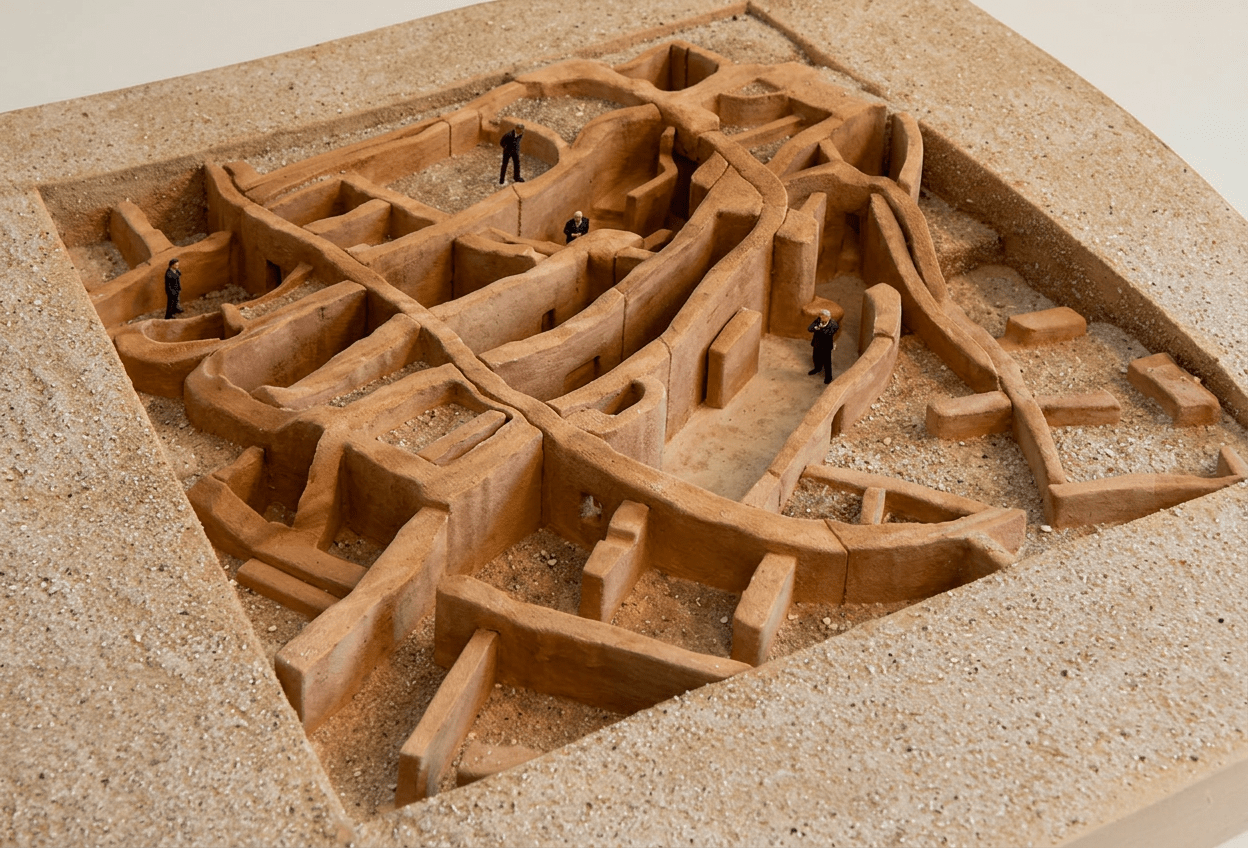
One of the most famous examples of defensive settlement design is Çatalhöyük. Occupied between approximately 7100 and 5950 BCE, the settlement consisted of densely packed mudbrick houses built directly against one another. Characteristics included no conventional streets, rooftop movement between structures access through roof openings and many shared building walls. This arrangement created a compact settlement with relatively few exposed exterior surfaces. While archaeologists debate the extent to which defense motivated this design, it likely offered practical security benefits alongside social and environmental advantages.

Livestock Protection
Domesticated animals represented valuable resources. Livestock provided meat, milk, hides, bone tools and agricultural support. Protecting herds was therefore essential. Neolithic communities developed pens, fenced enclosures, controlled access areas and night shelters. Predators such as wolves and other carnivores posed real threats to livestock in many regions. Architectural solutions helped reduce losses and safeguard economic resources.
Defense Against Environmental Threats
Protection in Neolithic architecture extended beyond conflict. Communities also faced environmental dangers (flooding, wind, fire, and erosion).
Flooding. Builders selected elevated locations and constructed drainage systems.
Wind. Settlement orientation and wall construction helped reduce exposure.
Fire. Some architectural choices minimized fire spread within settlements.
Erosion. Terracing and landscape management protected agricultural land and structures.
Many defensive features served multiple purposes simultaneously. A ditch, for example, might provide drainage as well as security.

Evidence for Conflict
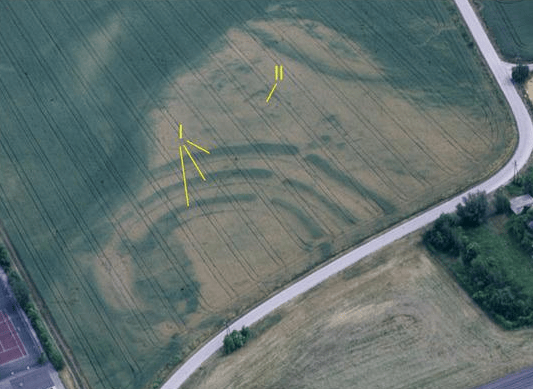
Archaeological evidence suggests that interpersonal and intergroup violence existed in some Neolithic societies. Indicators including skeletal trauma, defensive structures, burned settlements, weapons and mass burial sites. Examples such as the Talheim Death Pit and the Schletz Archaeological Site demonstrate that violent conflict occasionally occurred among early farming communities. However, archaeologists continue to debate how widespread warfare was during different periods, and in different regions. Defensive architecture should not automatically be interpreted as evidence of constant conflict.
Community Cooperation and Security
Protection was not achieved solely through physical structures. Social organization played a crucial role. Communities likely relied upon shared labor, collective monitoring, mutual assistance, kinship networks and community leadership. Defensive architecture functioned most effectively when combined with cooperation among residents. In this sense, social systems were as important as walls or ditches.
Trade-Offs of Defensive Architecture
Building defensive features required resources. Communities had to balance labor investment, material availability, agricultural responsibilities and construction priorities. Large ditches, walls, and palisades represented substantial commitments of time and energy. The decision to build them reflects the importance communities placed on protection.
Lessons for Modern Architecture
Although modern security technologies differ greatly from those of the Neolithic world, some principles remain familiar. These include using natural landscape advantages, creating clear boundaries, protecting critical resources, integrating security into design, balancing openness with safety and encouraging community cooperation
Modern planners continue to consider many of the same challenges that influenced early settlement design.
What Defense Reveals About Neolithic Society
Defensive architecture provides valuable clues about how Neolithic communities viewed the world around them. It reveals concerns regarding resource management, community identity, territory, cooperation, environmental risks and social organization. The presence—or absence—of defensive features can help archaeologists understand how different societies responded to changing circumstances. Architecture serves as a record of both practical needs and cultural values.

Defence and protection were important components of Neolithic architecture. As communities adopted agriculture and permanent settlement, they invested increasing amounts of labor in buildings, food storage, livestock management, and infrastructure. Protecting these resources became essential for survival and long-term stability.
Through strategic site selection, ditches, palisades, stone walls, livestock enclosures, and carefully planned settlement layouts, Neolithic builders developed a wide range of defensive solutions. These features helped safeguard people and resources while reflecting broader patterns of cooperation, organization, and environmental adaptation. The study of defence in Neolithic settlements reminds us that architecture has always served more than one purpose. Beyond providing shelter, buildings and settlement designs have long helped communities manage risk, protect valuable resources, and create secure environments in which societies can thrive.
Leave a Reply