< home # store # services # articles # game # app #contact >
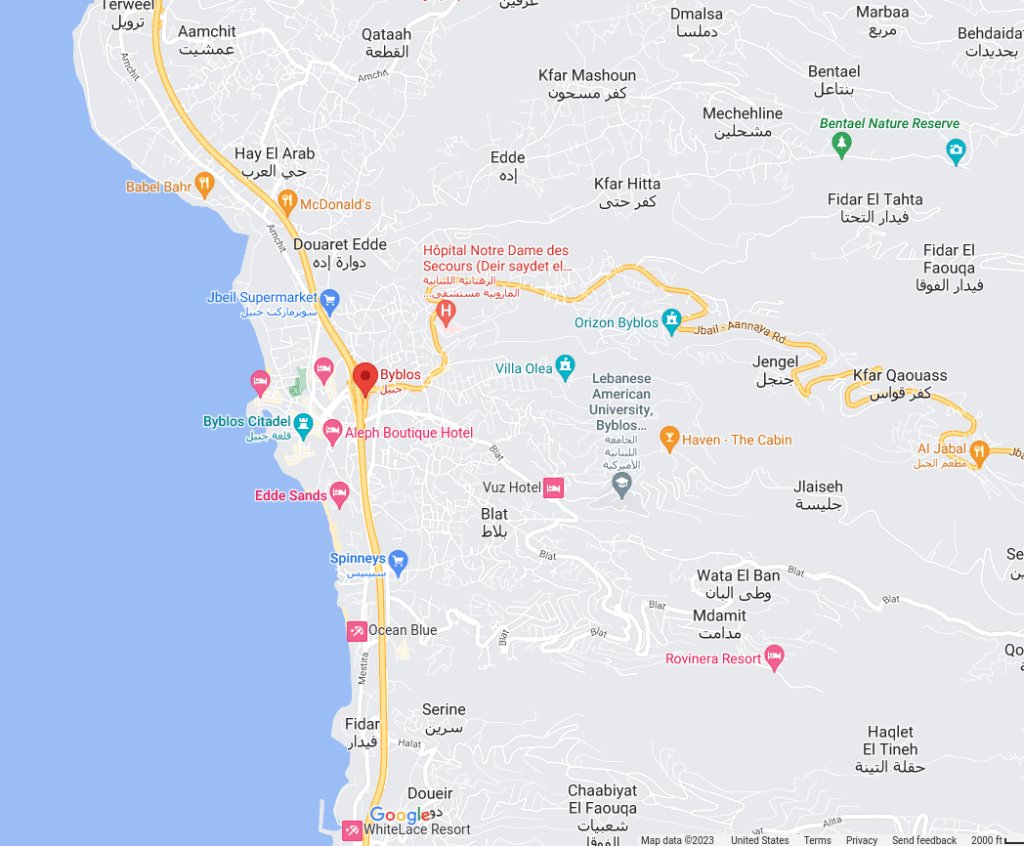
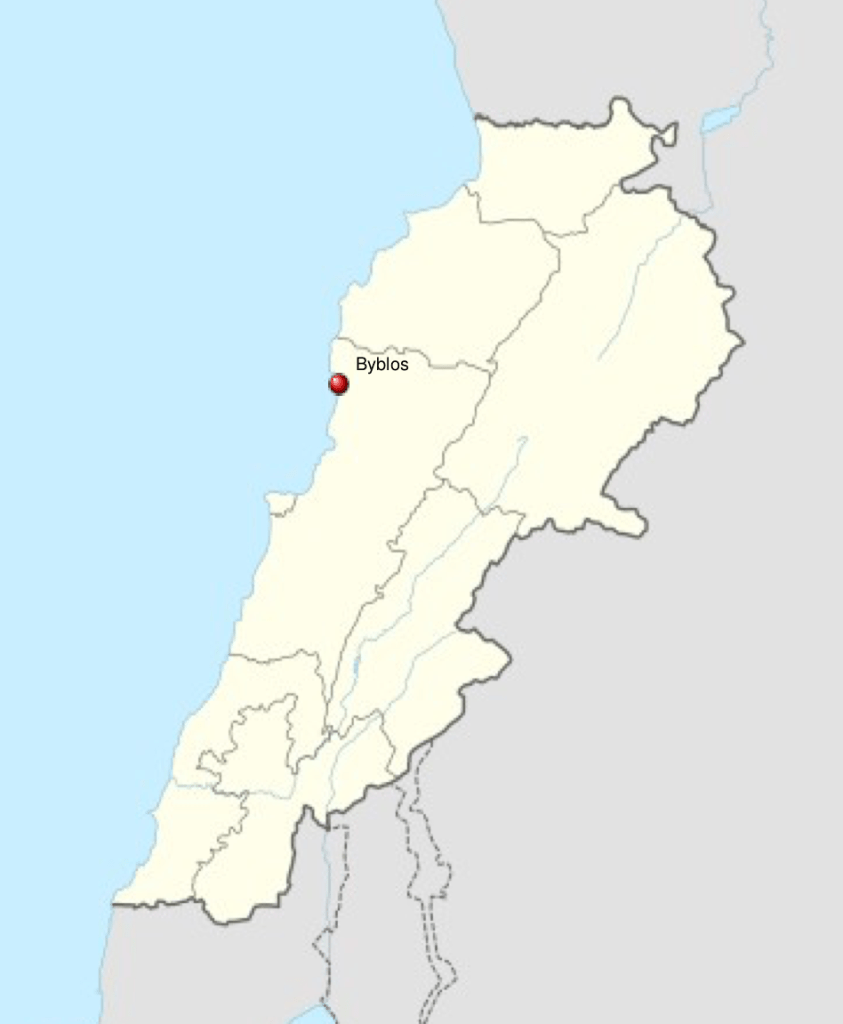
The ancient and neolithic city of Byblos, also known as Jbeil or Canaan. It is a main historic city in the mediterranean and middle east. It is one of the oldest continuously inhabited cities in the world (1). It is in the mount Lebanon governorate, in Lebanon
Throughout the long history, Byblos has been a prominent center for trade, culture, and civilization
The city was an essential hub for the ancient Phoenician civilization, and played a vital role in the spread of the Phoenician alphabet, which later became the basis for many writing systems, including the Greek and Latin alphabets.
The name “Byblos” is believed to have even given rise to the word “Bible,” as the people were known for producing papyrus, a writing material
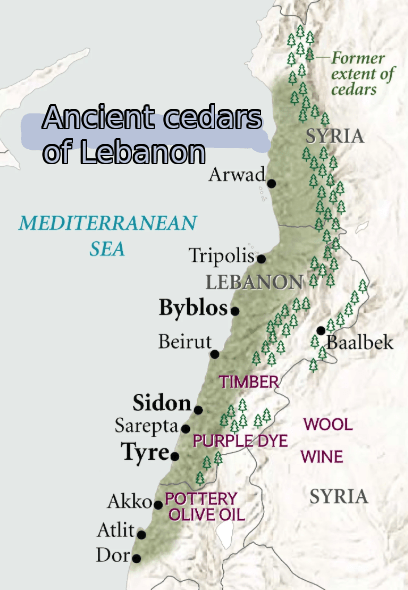
They were known for timber. The cedar trees were not too far away on the slopes. Other products included olive oil, wool, pitch, and resin.

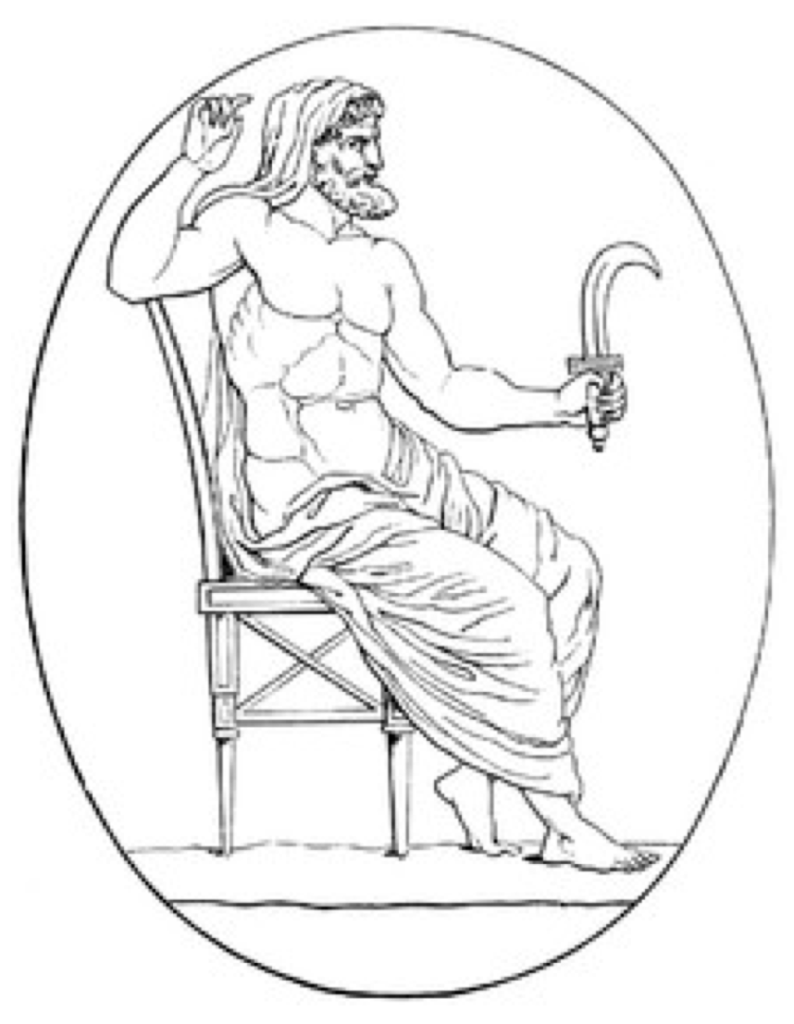
Late writer Philo of Byblos, documented Byblos was founded by the Phoenician shrine god El. While others documented it was their god Cronus (god of harvest) (2)
10800 years ago, the site appears to be settled
It was around the pre-pottery neolithic b period, humans layed down there log & stone building materials. There are signs of numerous well built houses at the site.
Levels of prehistoric stratigraphy are used for comparison; and, have more recently been recalibrated to date with Tell es sultan (Jericho). They include:
-Early neolithic corresponding to the pre-pottery neolithic b (PPNB): represented by plastered floors and naviforme technology, dated between 8800 – 7000 BC;
-Early neolithic late phase, corresponding to the PNA IX, (also Yarmukian). Dated between 6400 – 5800 BC, represented by pottery, sickle blades, figurines and small points;
-Middle Neolithic corresponding to the PNB VIII and represented by pottery, dated between 5800 – 5300 BC;
-Late neolithic corresponding to the middle chalcolithic of Beth Shean and represented by pottery, stone vessels, silos, chamber tombs and seals, dated 5300-4500 BC;
-Early chalcolithic corresponding to the late chalcolithic of Ghassulian, represented by jar burials, pierced flint, churn and a violin figurine, dated 4500- 3600 BC and,

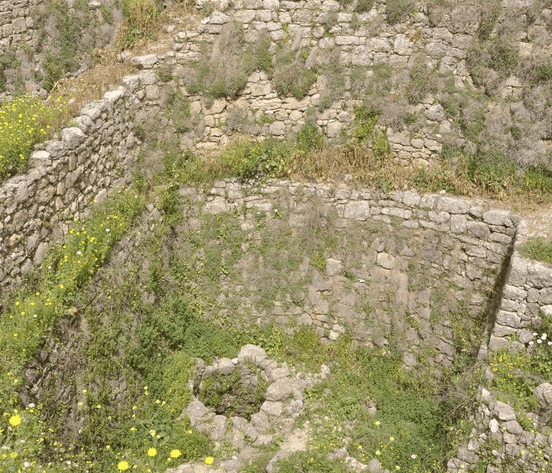
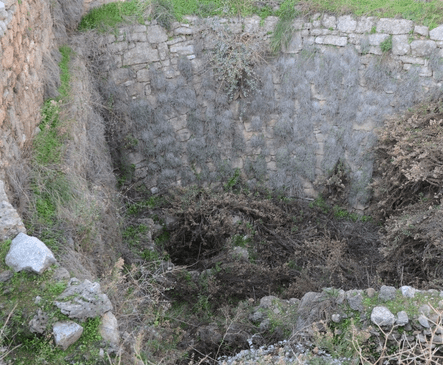
-Late chalcolithic corresponding to the early bronze age, represented by architecture, and Cylinder seals 3600-3100BC.
Neolithic ‘bible’
It has been documented by Phoenician priests that the city was established by Cronus (god of the harvest). Though there were sites on the other side of the valley, and where there was more water.
Byblos was predominately located on the seaward side of the slope. Before the Beqaa Vally; Labweh and Tlali. Where a lot of the farming came and went.


The site spread down into the valley into the mediterranean. A point between protected boat landing, and fertile soils
Originally, homes, or dwellings were mostly rectangular. They had plastered floors, and different kinds of roofs, including: straw, wood, and, other materials. The pottery was usually burnished and dark faced. Some had shell impressions.
As time went on, pottery became more developed. With red washes, more varied forms, and elaborate decorations. Though during the middle neolithic, houses were adjacent to the older site, smaller, with no plaster floors

There became a greater range of flint tools too
Canaanean blades were found. A shape of flint much like a knife. For cutting, or a weapon
They begin to use silica in pottery. Burials were found in jars. And, copper hooks were begin to be used
It was the beginning of a new age. Most agree Byblos moved from fishing village to urban form. During the neolithic age

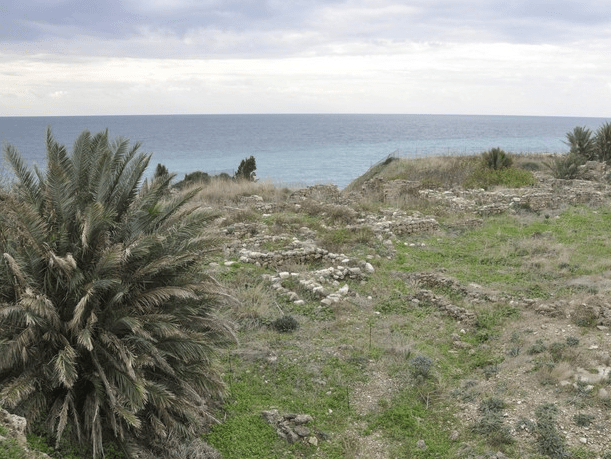
In addition to its historical significance, Byblos is now a popular tourist destination in Lebanon, attracting visitors with its well-preserved archaeological sites, ancient ruins, and charming coastal ambiance. The city remains an important cultural and historical site, contributing to Lebanon’s rich heritage. Lets hear it for, Byblos, Jbeil, or Canaan. An important location for paper like material papyrus.

Cite: 1) Dumper, Michael; Stanley, Bruce E.; Abu-Lughod, Janet L. (2006). Cities of the Middle East and North Africa (https://books.google.com/books?id=3SapTk5iGDkC&q=byblos+continually+in habited&pg=PA104). ABC-CLIO. p. 104. ISBN 1-57607-919-8.
2) “The Theology of the Phœnicians: From Sanchoniatho” (http://www.sacred-texts.com/cla/af/af0 1.htm). http://www.sacred-texts.com.
Bibliography:
Garfinkel, Yosef (2004). ” “Néolithique” and “Énéolithique” Byblos in Southern Levantine Context”. In E. J. Peltenburg; Alexander Wasse (eds.). Neolithic Revolution: New Perspectives on Southwest Asia in Light of Recent Discoveries on Cyprus (https://books.google.com/books?i
d=6mKBAAAAMAAJ). Oxbow Books. ISBN 978-1-84217-132-5. Retrieved 18 January 2012. ??
Vallois, H.V., Note sur les ossements humains de la nécropole énéolithique de Byblos (avec 2 planches). Bulletin du musée de Beyrouth. Tome I, 1937. Beyrouth.
Watson E. Mills; Roger Aubrey Bullard (1990). Mercer dictionary of the Bible (https://books.goo gle.com/books?id=goq0VWw9rGIC&pg=PA124). Mercer University Press. pp. 124–. ISBN 978- 0-86554-373-7.
Moore, A.M.T. (1978). The Neolithic of the Levant (http://ancientneareast.tripod.com/143.html). Oxford University, Unpublished Ph.D. Thesis. pp. 329–339.
Cauvin, Jacques., Les industries lithiques du tell de Byblos (Liban), L’Anthropologie, vol. 66, 5– 6, 1962.
Vallois, H.V., Note sur les ossements humains de la nécropole énéolithique de Byblos (avec 2 planches). Bulletin du musée de Beyrouth. Tome I, 1937. Beyrouth.
Chehab, Emir M., Tombes des chefs d’époque énéolithique trouvés à Byblos, Bulletin du Musée de Beyrouth. Tome IX, 1949–1950, Beyrouth.
Boynton, E.S., The Ceramic Industry of Ancient Lebanon. (Available in MS in American University of Beirut and in microfilm in Harvard Library) 1960.
Erich, R., Relative chronologies in Old World Archaeology, Chicago, 1954.
Van Liere, W. and Contenson, Henri de, “Holocene Environment and Early Settlement in the
Levant”, Annales archéologiques de Syrie, volume 14, pp. 125–128, 1964.
Vogel, J.C. Waterbolk, H.T., Groningen Radiocarbon Dates X, Radiocarbon, 14, 6–110 / 105,
1972.
Dunand, Maurice., Fouilles de Byblos, vol II, Atlas, Paris, 1950d (also part I, 1954 – part II, 1958).
Dunand, Maurice., Chronologie des plus anciennes installations de Byblos, Revue Biblique, vol. 57, 1950b.
Dunand, Maurice., Rapport préliminaire sure les fouilles de Byblos en 1950, 1951 & 1952, Bulletin du musée de Beyrouth. Tome XII, 1955, Beyrouth.
Dunand, Maurice., Rapport préliminaire sure les fouilles de Byblos en 1954, 1955, Bulletin du musée de Beyrouth. Tome XIII, 1956, Beyrouth.
Fleisch, Henri., Préhistoire au Liban en 1950, Bulletin de la Société Préhistorique Français, vol. 48, 1–2, p. 26. (Contains report on Byblos presented by Maurice Dunand to the 3rd C.I.S.E.A., Brussels, 1948), 1951.
Leave a Reply